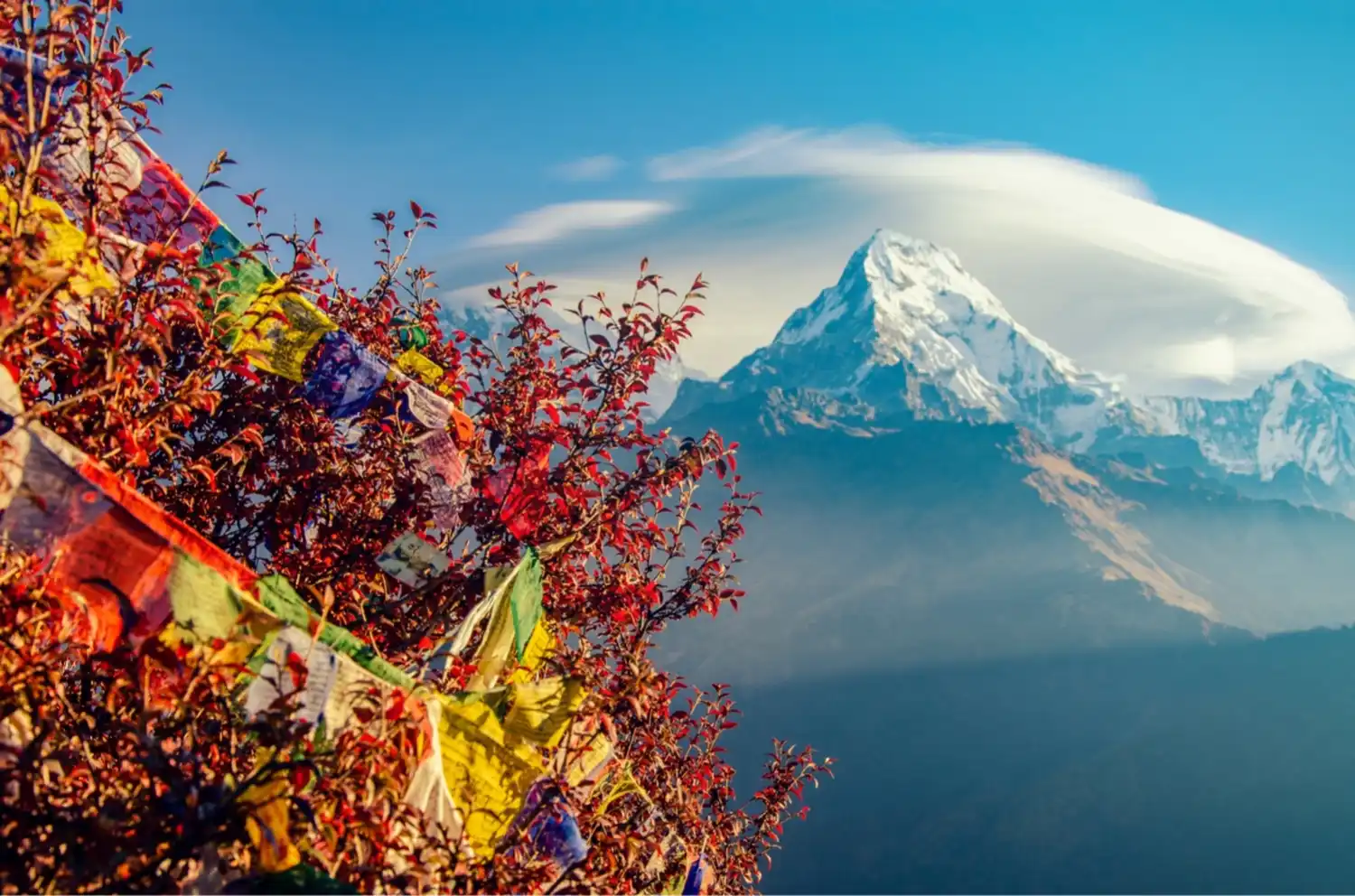
🐾 High Altitude Wildlife Retreat
Panda & Avifauna
Explore Camp
Red Panda & Himalayan Birding Paradise
Red Panda & Himalayan Birding Paradise

Nestled near Sandakpur in Ilam District, Panda & Avifauna Explore Camp is an eco-retreat surrounded by tranquil community forests, offering cozy rooms, sweeping mountain views, and a peaceful escape just an hour from Ilam headquarters.
We are a nature-focused, family-run camp devoted to responsible wildlife tourism, welcoming Red Panda enthusiasts, birdwatchers, and photographers to explore habitats shared by Red Panda, Clouded Leopard, Marbled Cat, and a remarkable diversity of Himalayan birdlife.
With warm hospitality, hygienic Sherpa meals, shared dining experiences, and high-speed internet in common areas, guests enjoy a calm, homely stay close to Mai Pokhari and Ilam Bazaar, where birdsong, fresh air, and friendly hosts create memorable experiences.
Guided tracking with local wildlife experts through prime Red Panda territory. Small groups for minimal disturbance.
One of India’s premier destinations for birdwatchers, bird lovers, wildlife enthusiasts, and nature photographers.
Exclusive access to high-altitude forest trails above 3000m — habitats rarely experienced by typical tourists.
Early morning golden hour positioning, vehicle setups, and patient guiding optimised for wildlife photographers.
Guides with generations of forest knowledge. Your trackers grew up in these forests and know every trail intimately.
Grid-connected accommodation with solar backup. Hot meals, warm rooms, and genuine Himalayan hospitality.

Birding Expert · Panda & Avifauna Explore Camp
A birding expert with over 30 years of hands-on field experience, Hari Lama has been working as a professional birding tour guide since 1994. He has conducted specialized birding tours across India and Nepal including Uttarakhand, Sikkim, North Bengal, Singalila, Sandakphu, Rajasthan, Gujarat, Goa, Ladakh, and Manang (Nepal). Over the years, he has observed and identified more than 1000 bird species across diverse habitats of the Himalayas and the Indian subcontinent.
He has also guided extensively in Nepal including Chitwan National Park, Bardiya National Park, and Shuklaphanta Wildlife Reserve. His deep understanding of bird calls, habitats, seasonal movements, and migration patterns helps guests achieve exceptional sightings and rewarding birding experiences while maintaining responsible and ethical birdwatching practices.
Every forest trail holds a story — you just need 30 years to learn how to read it.
— Hari Lama, Birding Expert
Krishna Tamang is a dedicated research professional with several years of experience in wildlife conservation projects across Nepal. He has worked on assessing anthropogenic threats to vertebrate fauna in Madhesh Province and conducted detailed surveys of Sarus Crane populations in Lumbini Province.
Holding a Master’s degree in Wildlife Ecology and Conservation, Krishna combines strong academic knowledge with extensive field experience. He has contributed to more than ten scientific publications, reflecting his commitment to evidence-based conservation.
Driven by a passion for biodiversity, Krishna aspires to become a wildlife ecologist and is actively engaged in research focused on wildlife and bird conservation. His work aims to support the protection of endangered species and promote sustainable ecosystem management.

Ashma is an aspiring researcher in biodiversity conservation, guided by a deep-rooted passion for nature. Her work focuses on forest health and ecological balance, with particular interest in insect science and invasive species management.
She is currently engaged in research on wood-boring beetles in New Zealand and has contributed to ecological studies through specimen assessment and field-based analysis. Alongside her research, she maintains a keen interest in avian monitoring and taxonomy, reflecting her broader commitment to understanding biodiversity.
Ashma holds a dual academic background in Entomology and Biodiversity Management from Nepal and New Zealand, equipping her with a strong interdisciplinary foundation. At the camp, she supports management and guest experience with a thoughtful and detail-oriented approach.
Born and raised on the forested slopes of Singalila, Lakpa has spent a lifetime learning the rhythms of this mountain wilderness. He knows every bamboo grove, every resting tree, and every subtle sign that a Red Panda has passed through — a pawed bark, a nibbled shoot, a faint trail in the morning frost.
His patient, unhurried tracking style means guests approach wildlife on its own terms, maximising sightings while keeping disturbance to an absolute minimum. When Lakpa says "they're close," they always are.
Neema grew up roaming the very forests where he now guides guests. From childhood he learned to read the forest — the soft pressed moss where a Red Panda rested, the scratched bark where one climbed, the fresh chew-marks on bamboo stems at dawn.
Quick, quiet, and deeply attuned to the forest's daily rhythms, Neema has an almost instinctive sense of where animals will be throughout the day. His calm energy puts both guests and wildlife at ease.
Few people know the trails of the Singalila ridge the way Chogle does. A lifelong resident of these highlands, he has an encyclopaedic memory of the landscape across every season — which ridges shelter animals in winter, which clearings come alive after rain, which forest pockets hold the highest Red Panda density.
Methodical and observant, Chogle's quiet tracking technique is a masterclass in patience. He rounds out the team with a deep generalist knowledge of Himalayan mammals, birds, and forest ecology.
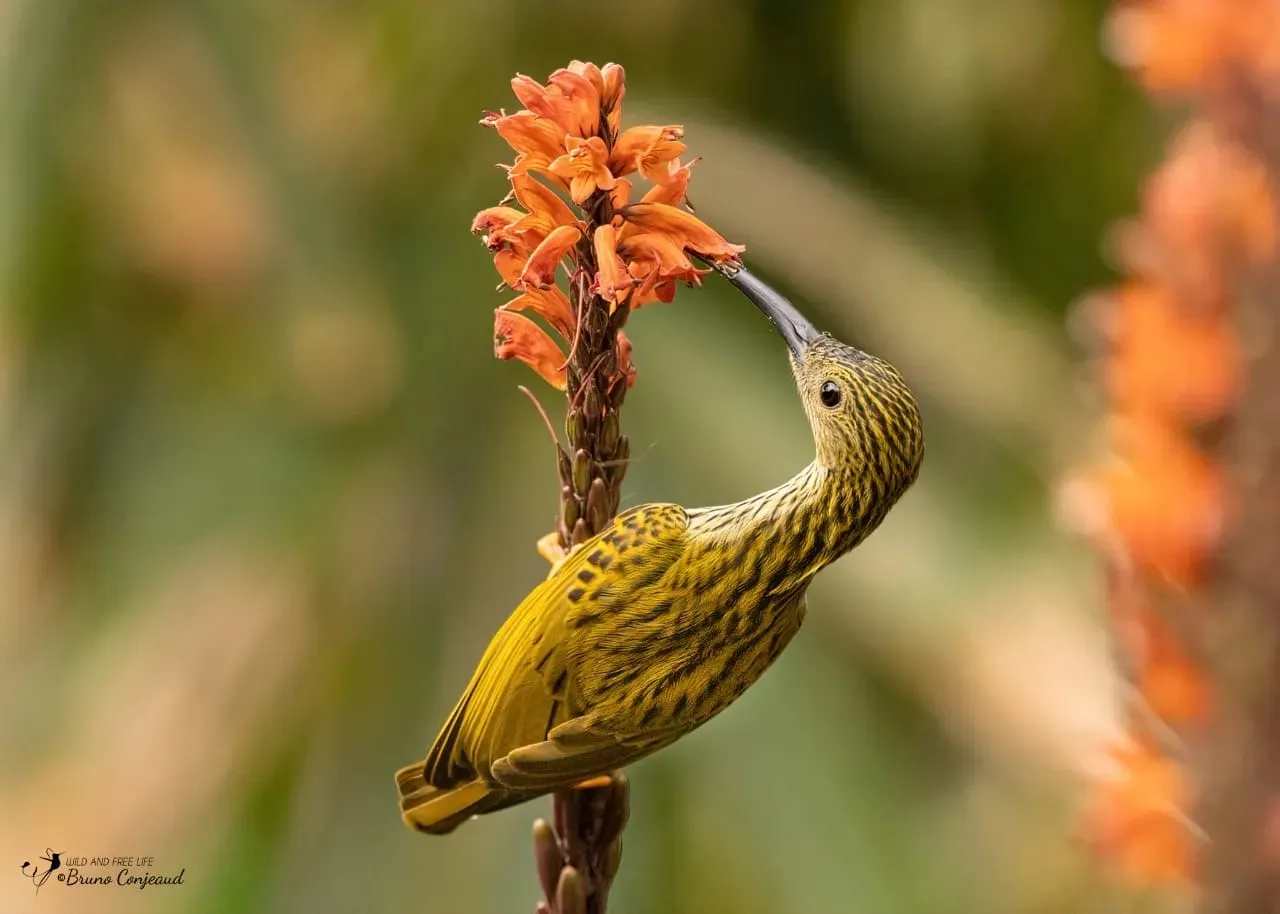
A large, boldly streaked spiderhunter with a long curved bill perfectly adapted for probing large flowers. Found in dense forest undergrowth and forest edges. Often heard before it is seen — a loud, metallic chipping call.
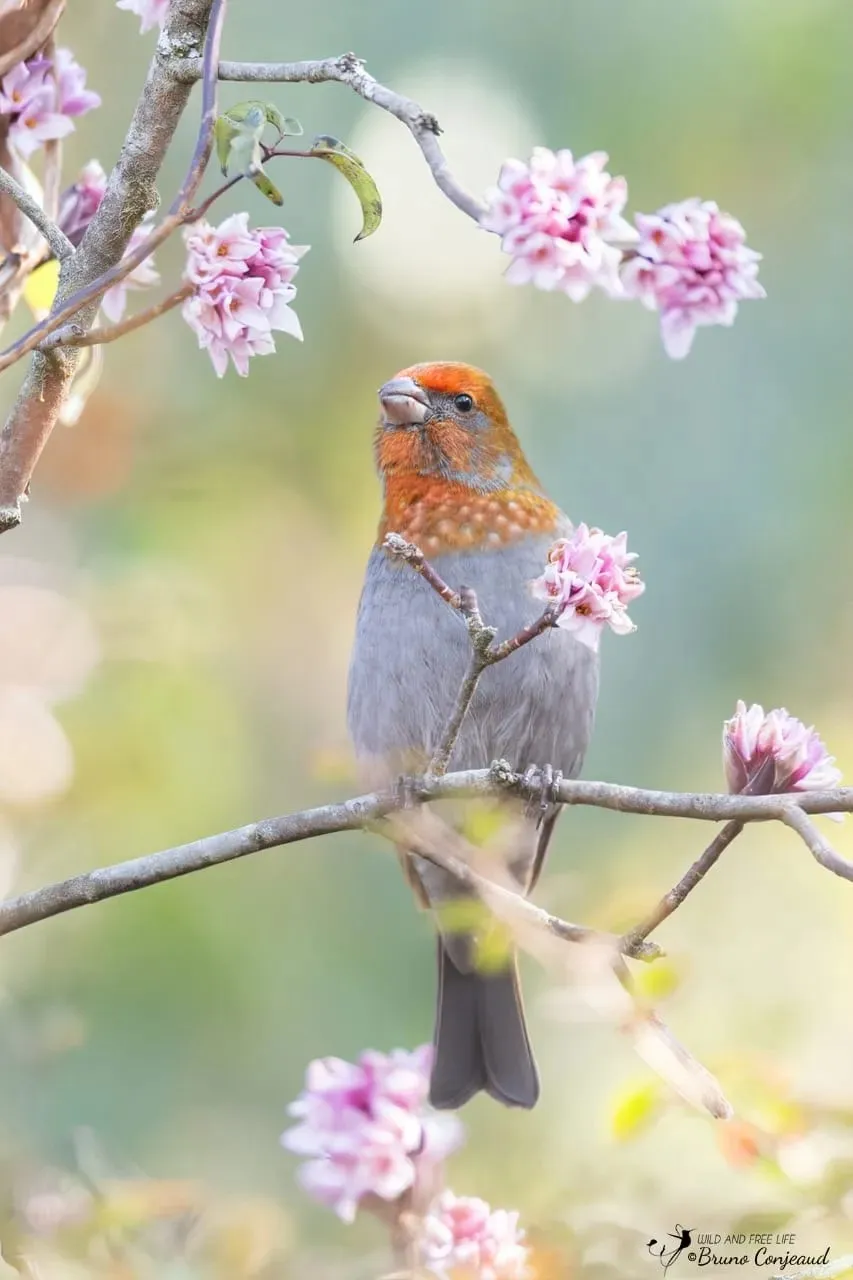
The male is unmistakable — deep crimson brow and rump contrasting with streaked brown back. Inhabits high-altitude scrub and rhododendron thickets above 3000m. A firm favourite on every birder's wish list for Sandakphu.
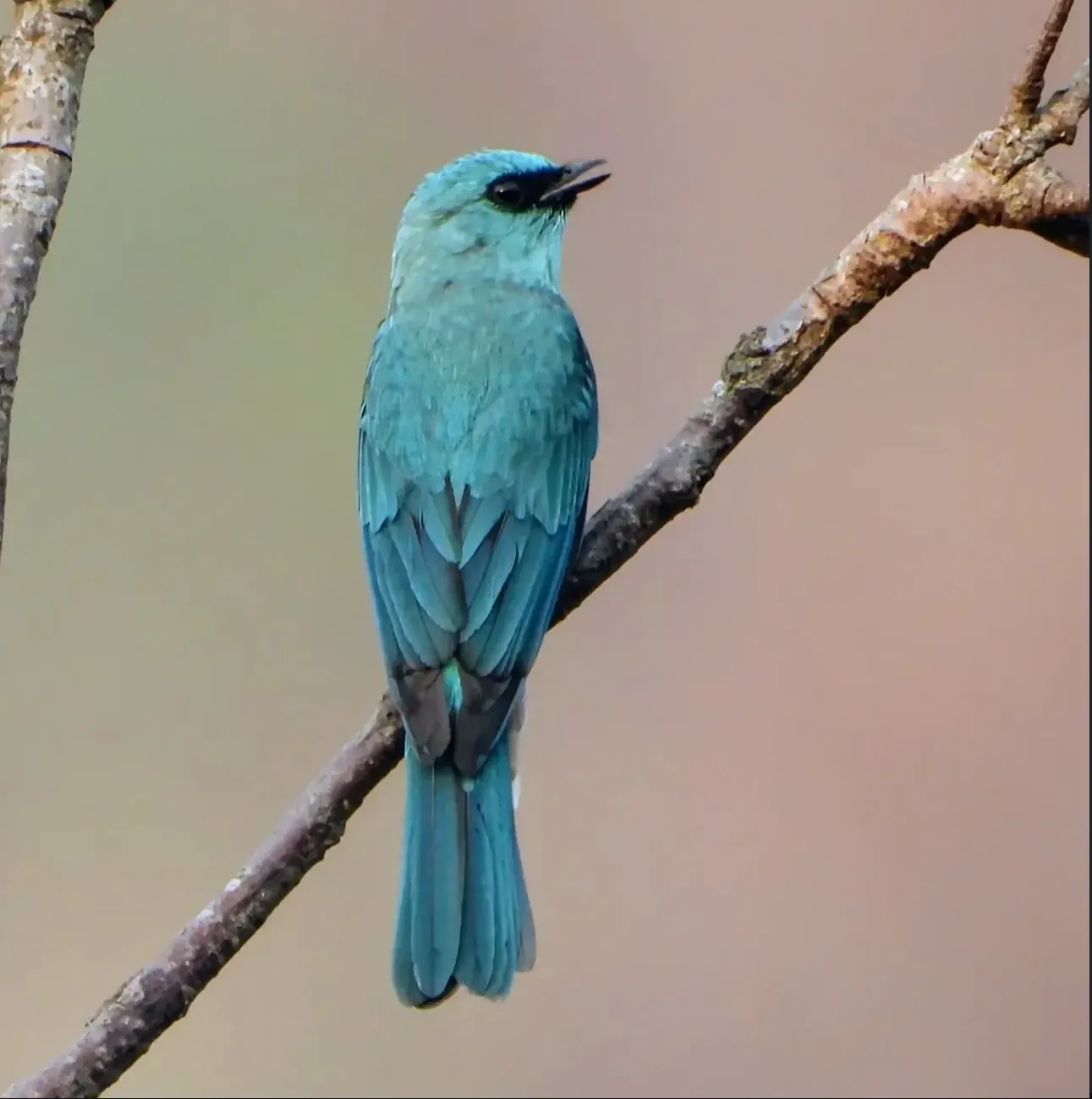
A striking turquoise-blue flycatcher often seen perched in the open on treetops and forest edges. Makes short aerial sallies to catch insects before returning to the same perch. Common in clearings, ridges, and around the lodge.
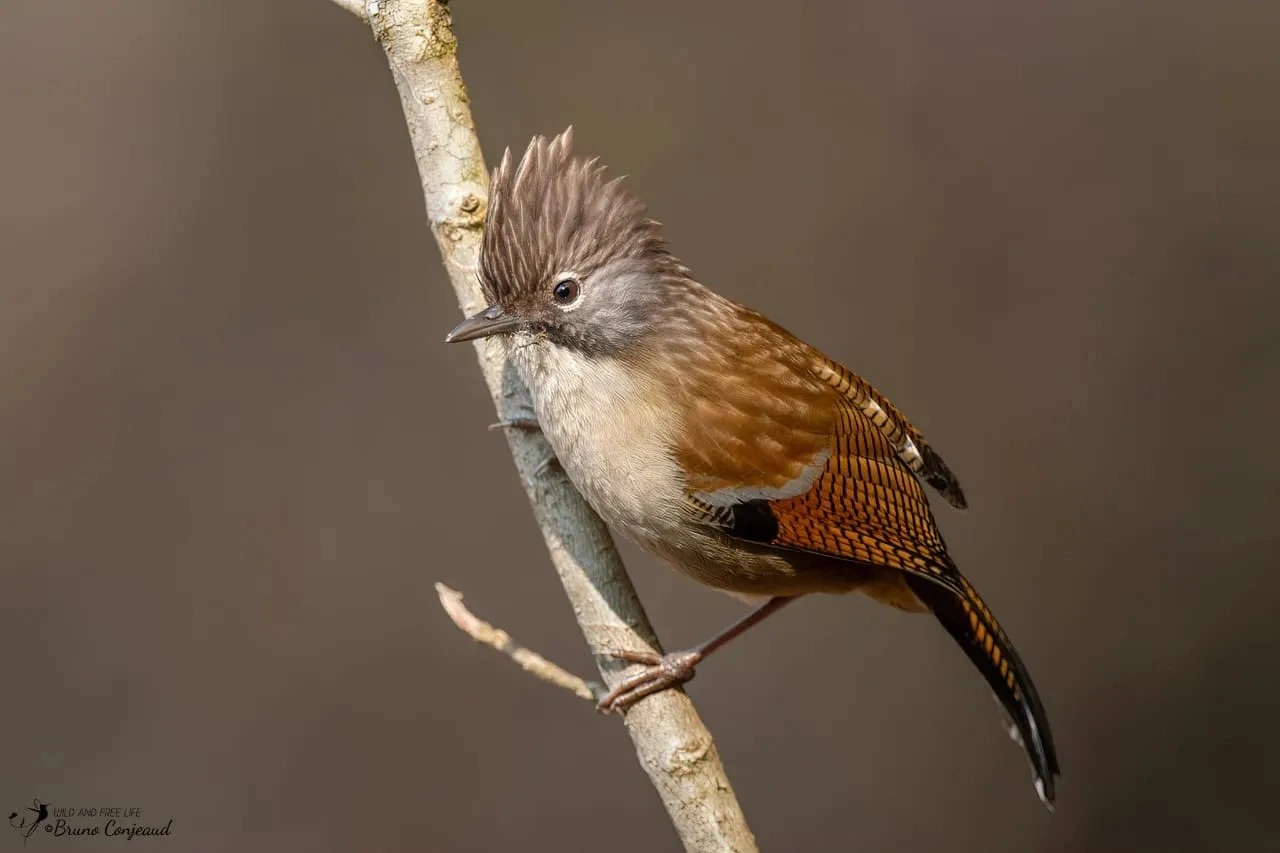
A skulking babbler with finely barred wings and a pale, streaked throat. Typically found in mixed rhododendron-oak forest between 2000–3500m. Joins mixed feeding flocks and is best located by its rattling call.
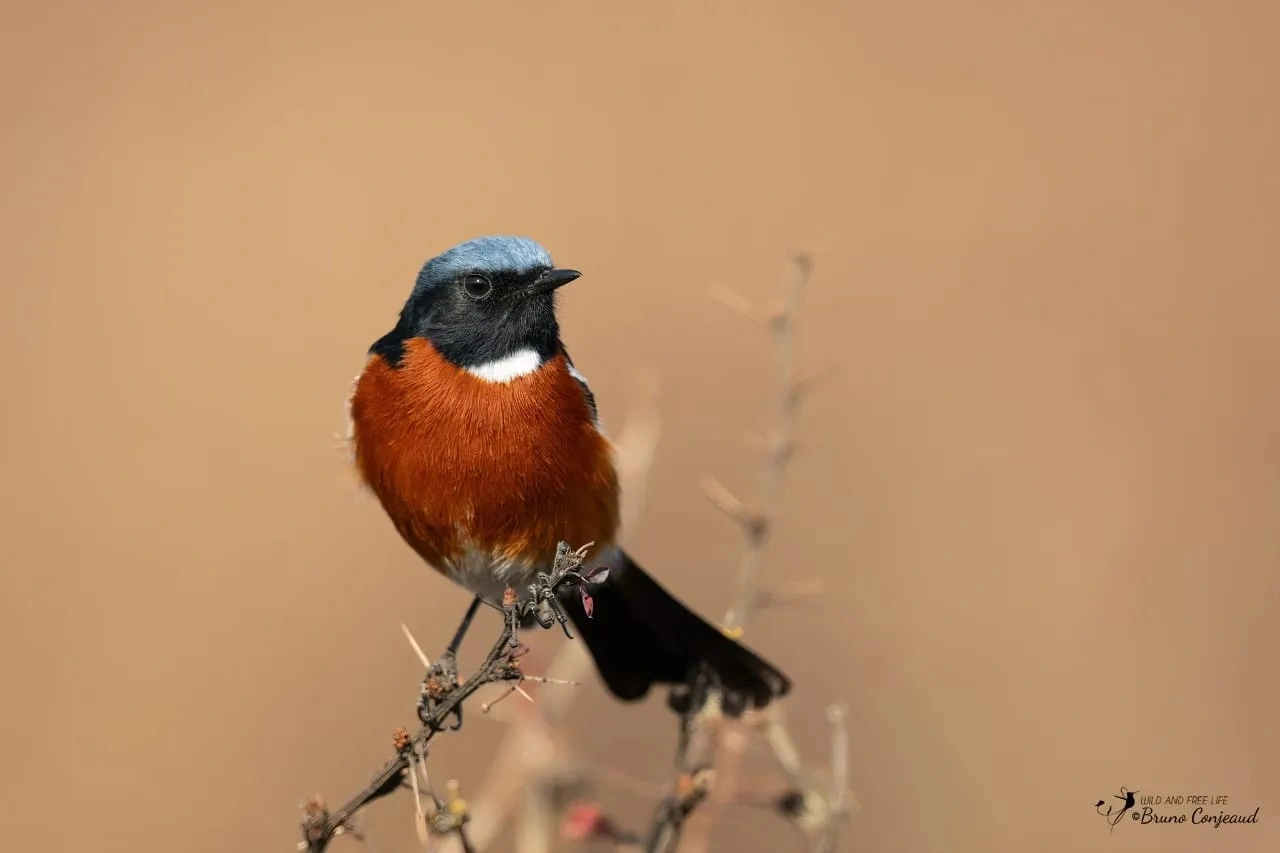
A bold high-altitude redstart with a pure white throat, slate-grey upperparts and vivid rufous tail. Common on open rocky hillsides and forest edges above 3000m near Sandakphu. Males perch prominently, making them excellent photographic subjects.
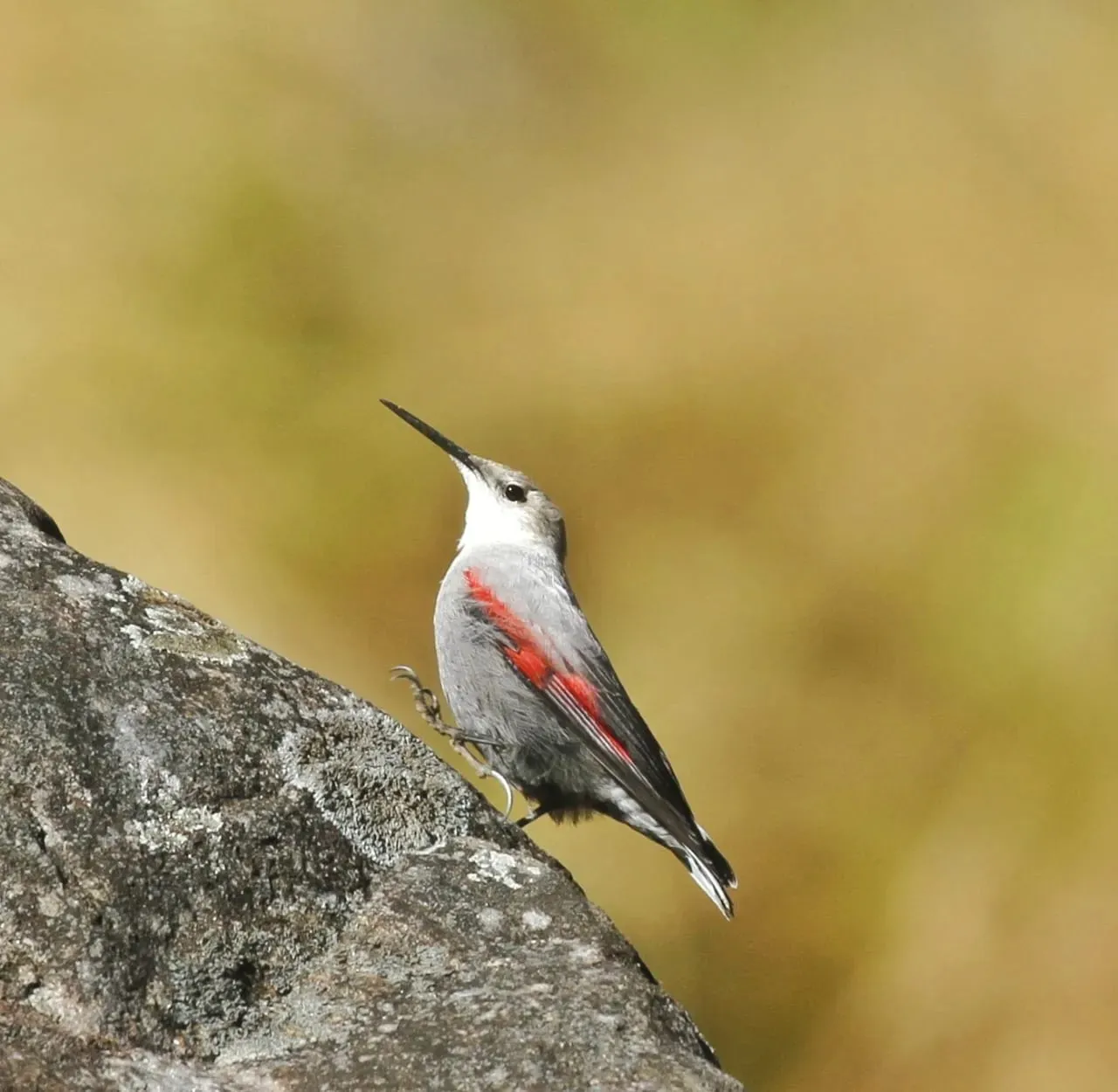
One of the most spectacular and sought-after birds of the Himalayas. Crimson-and-grey wings flash dramatically as it creeps up sheer cliff faces probing crevices for insects. A rare and thrilling sight at rocky gorges above 2500m.
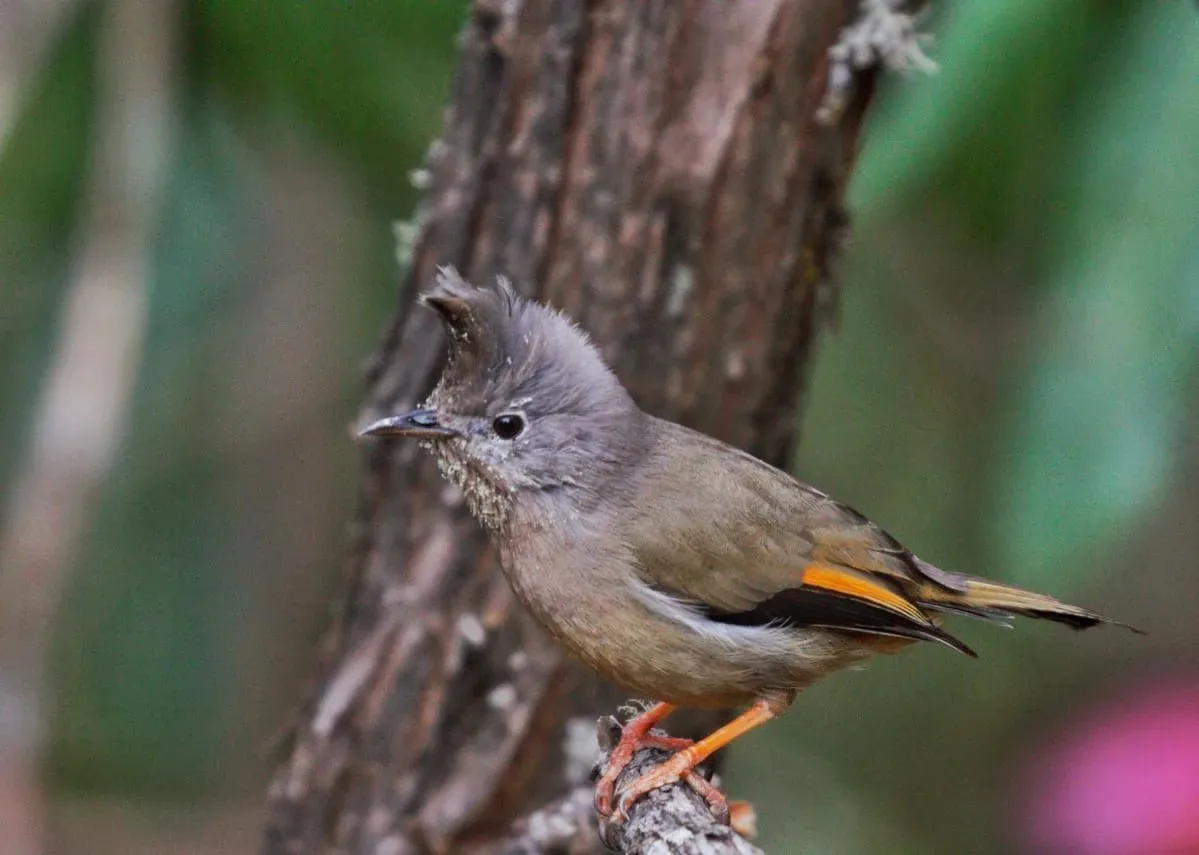
A small, lively Himalayan bird with a distinctive spiky crest and finely streaked throat. Usually seen in active flocks, often joining mixed-species parties as it feeds on insects, nectar, and berries high in the canopy. Its constant chatter and restless movement make it a characteristic presence in Singalila forests.
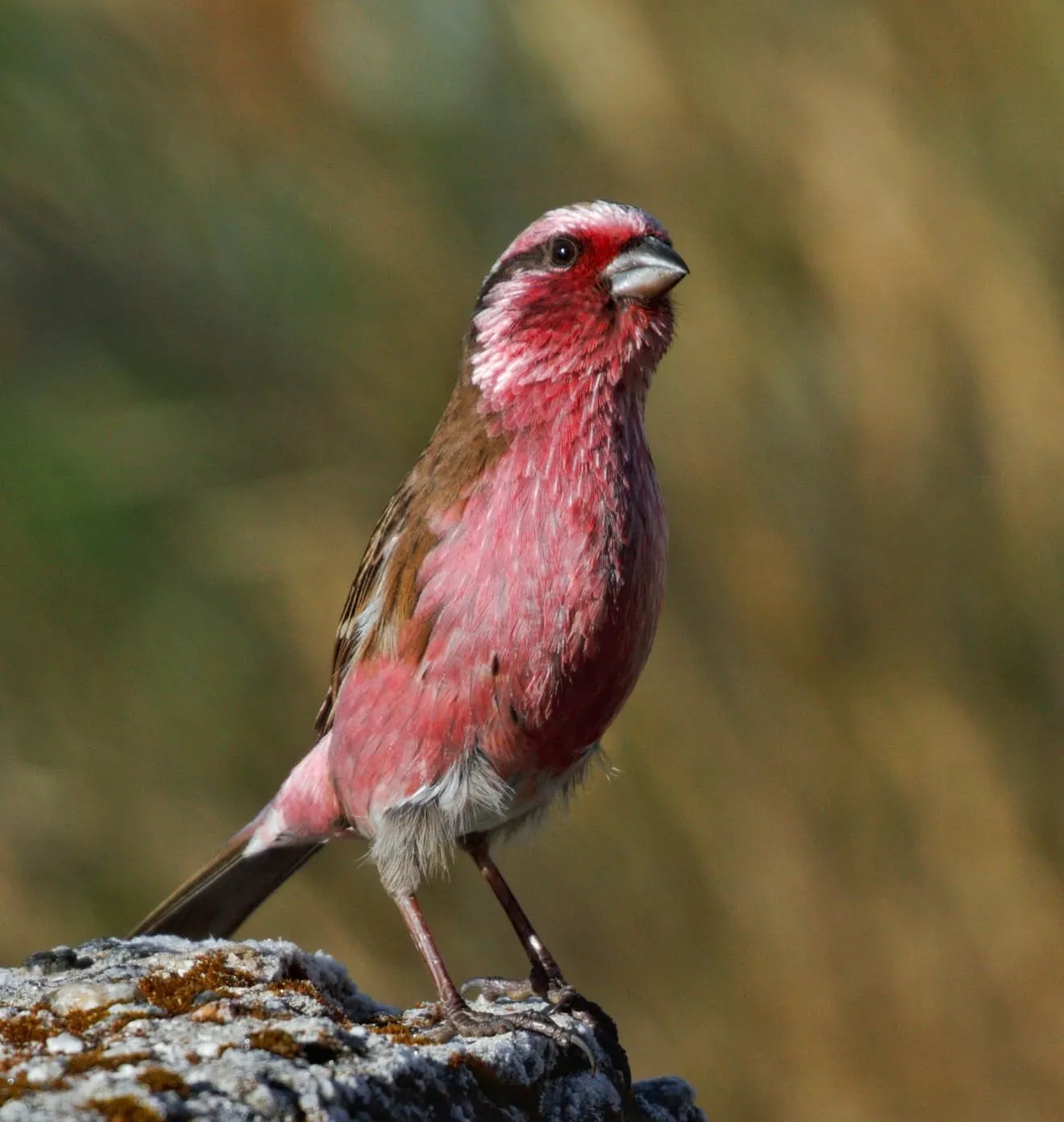
A robust mountain rosefinch, males showing deep rosy-pink plumage with a pale white eyebrow, while females are streaked brown. Often seen feeding on seeds in alpine scrub, open slopes and near high-elevation ridges. Occurs around Singalila’s higher altitudes.
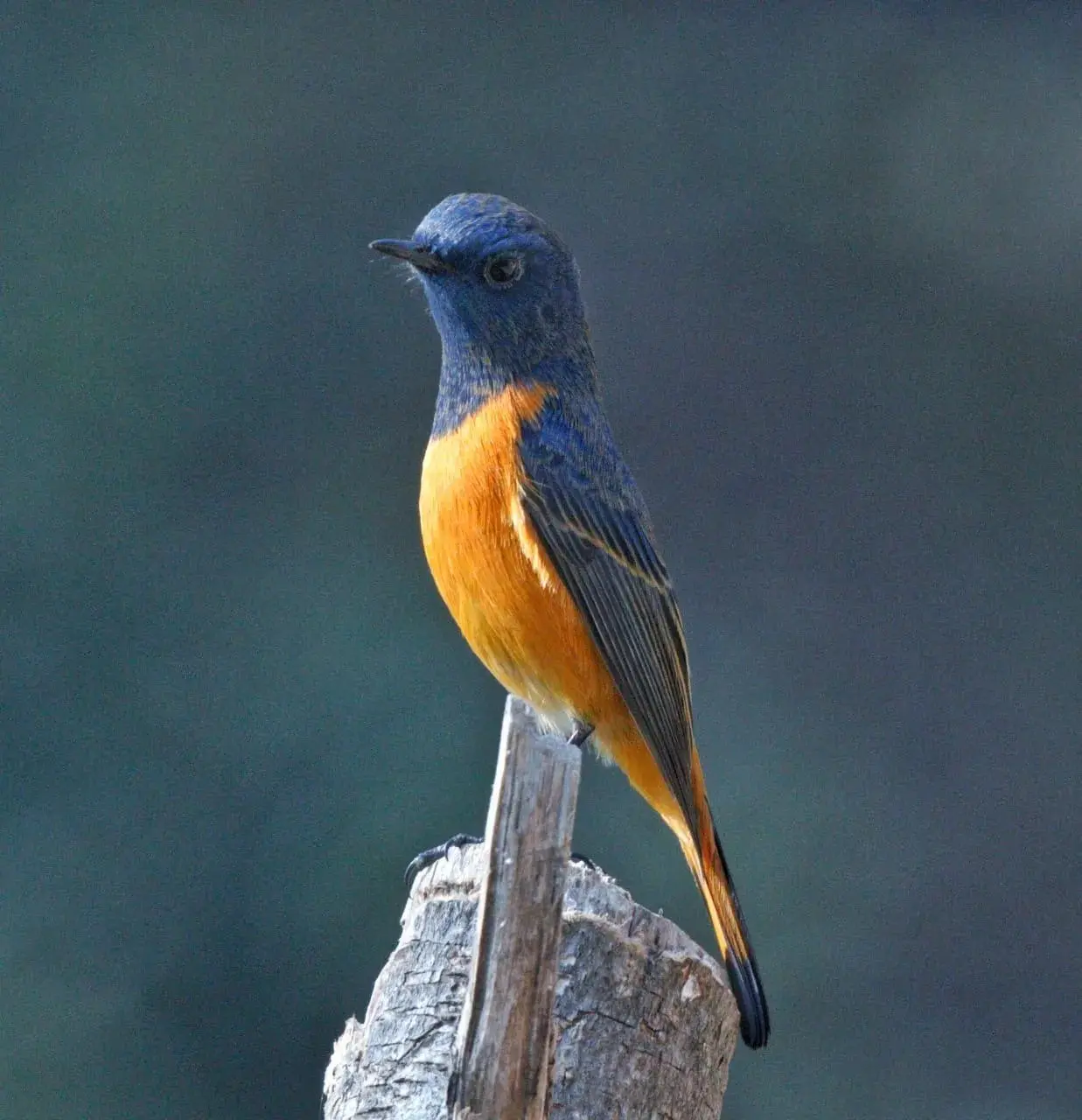
The male is strikingly beautiful — deep blue upperparts with a vivid orange-rufous belly and tail. Common in forest clearings and rhododendron edges between 2500–4000m. Confiding and photogenic, it perches openly and bobs its tail constantly.
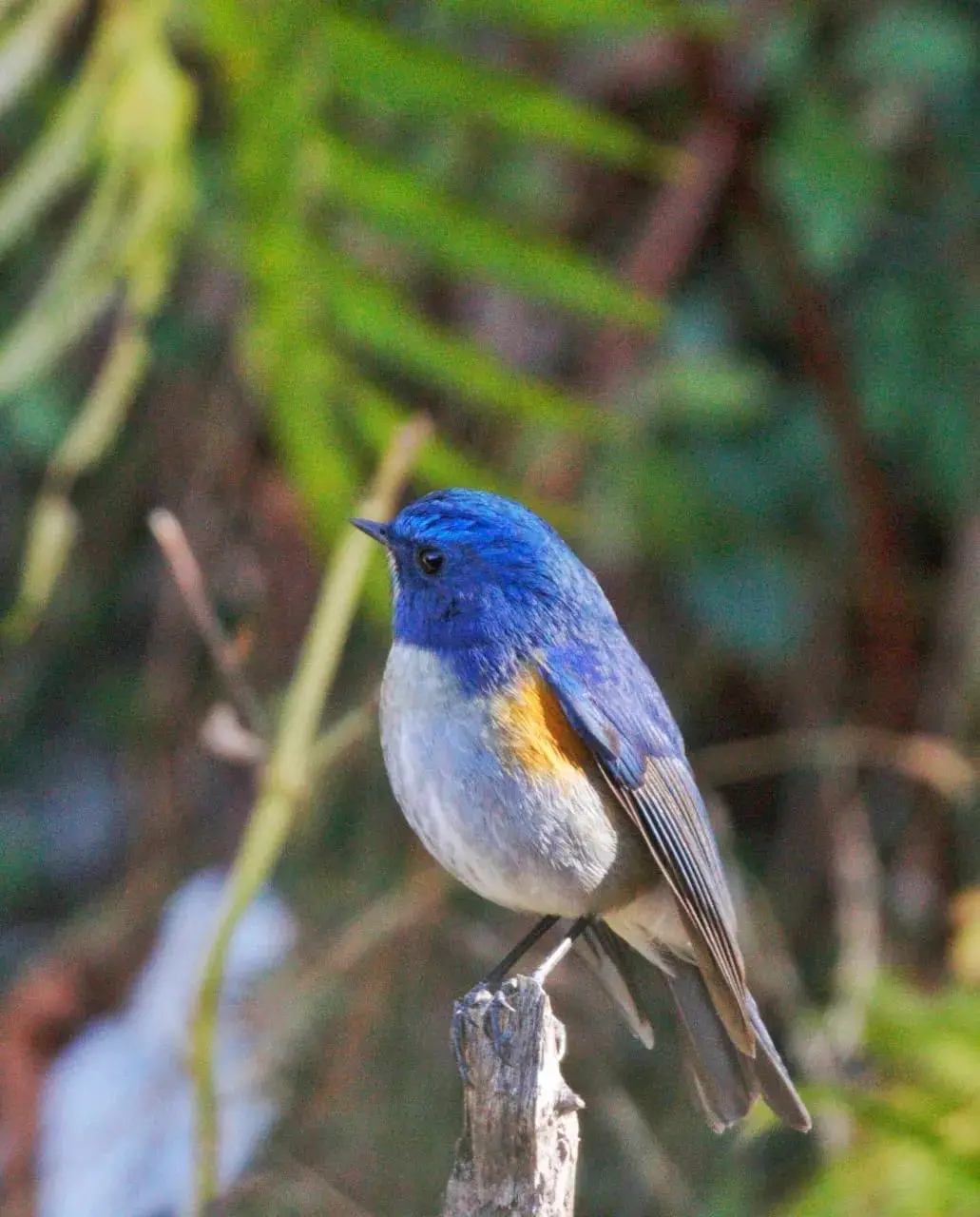
A stunning forest flycatcher — the male shows brilliant blue upperparts with a contrasting orange flank and white throat, while the female is more subdued brown with a blue tail. Often seen flicking its tail near the forest floor or along shaded trails. Inhabits dense undergrowth in oak and rhododendron forests and is a regular winter visitor in the Singalila region.
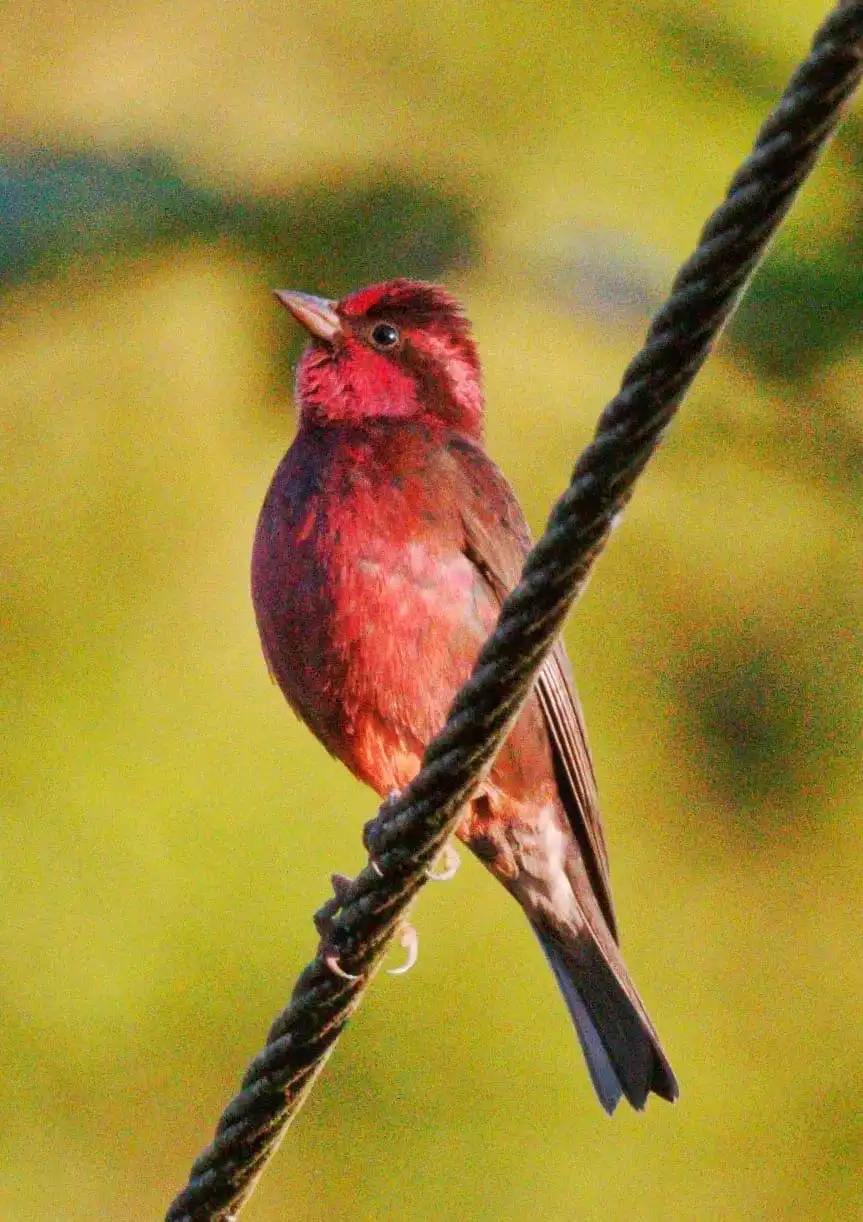
A striking high-altitude finch — the male shows deep crimson plumage with a noticeably darker breast, while the female is streaked brown and more cryptic. Typically found in alpine scrub, rocky slopes, and dwarf rhododendron. Often seen feeding quietly on seeds or perched on exposed shrubs in small groups across the Singalila region.
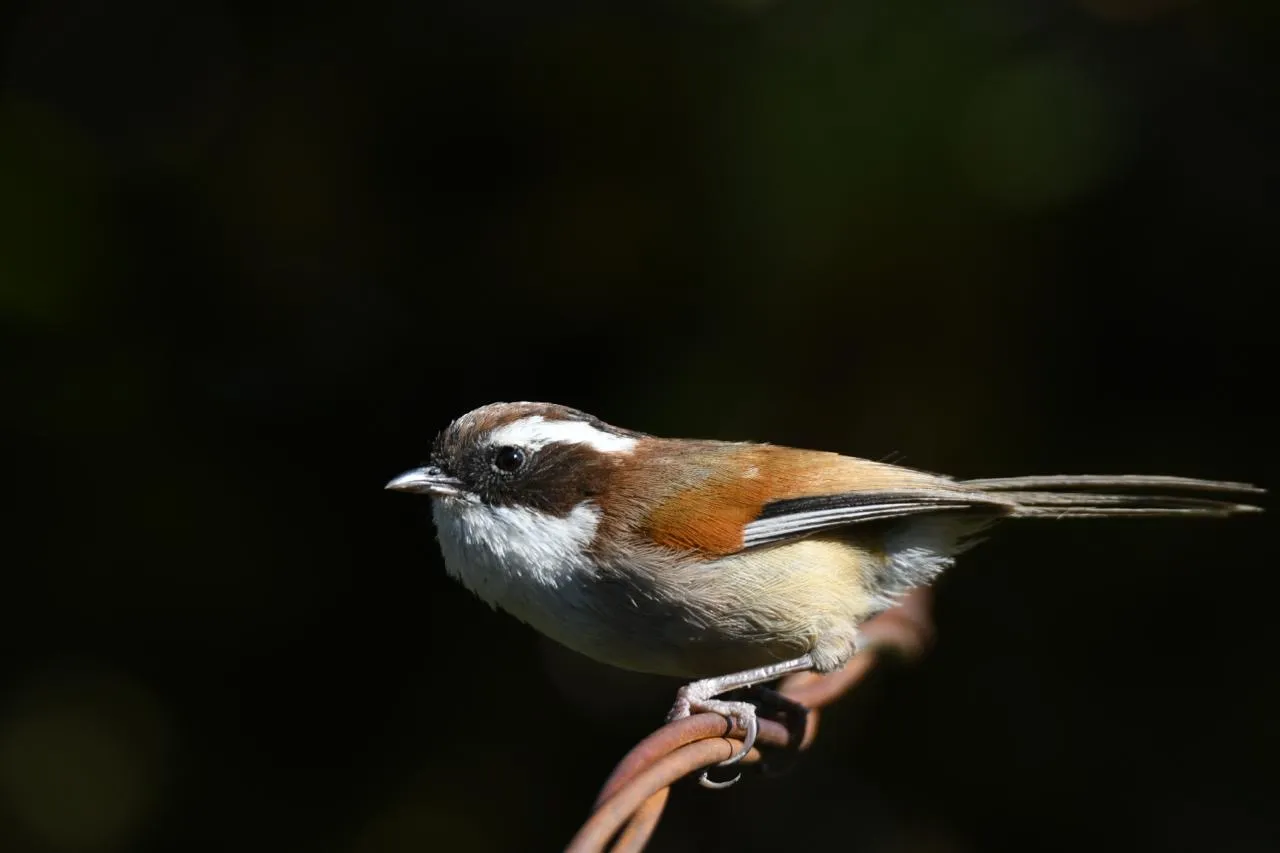
A tiny, active flocking bird with a bold white eyebrow, warm brown upperparts and finely streaked throat. Moves quickly through shrubs and bamboo in mixed hunting parties. Frequently seen around forest edges and near the lodge.
Discover more of our 300+ resident species
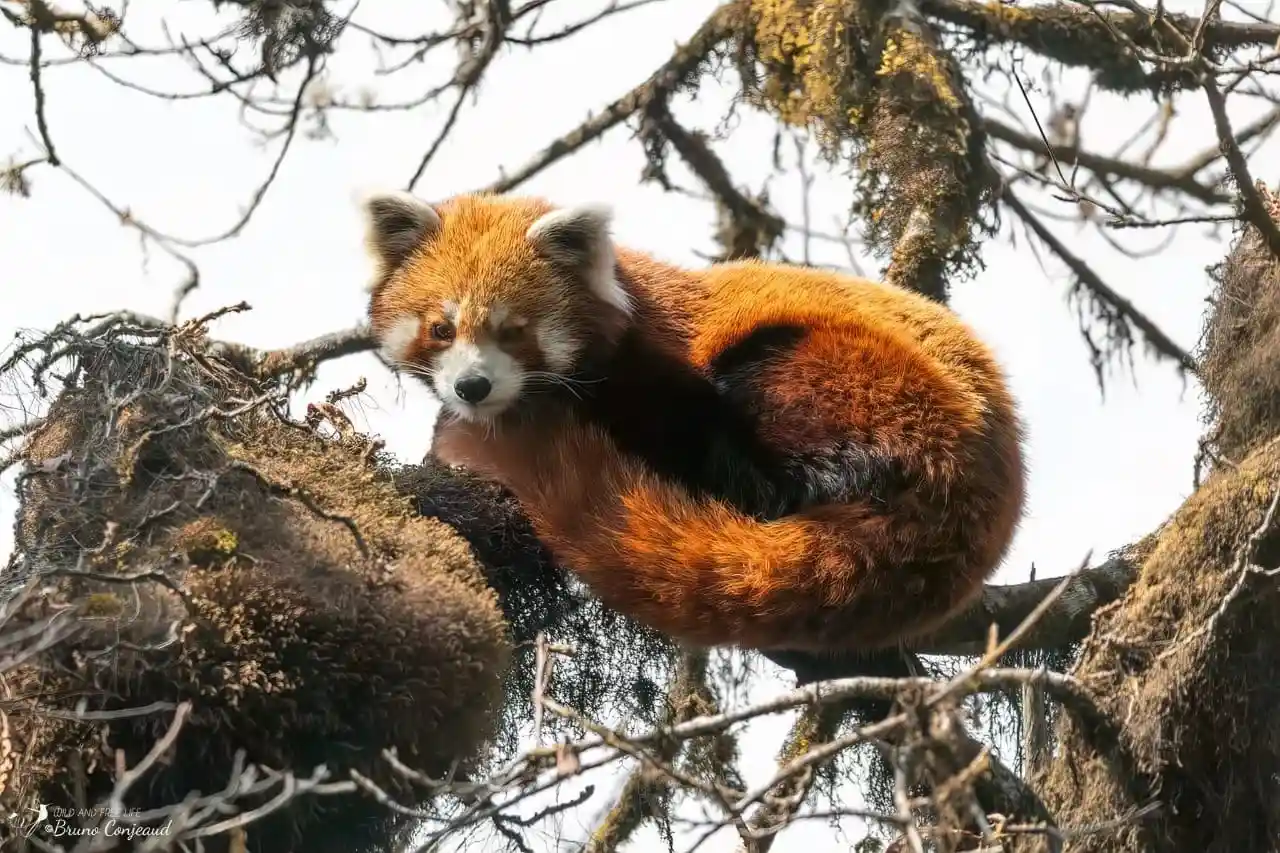
Red Pandas spend much of the day resting in tree forks, conserving energy. Their rust-red fur provides perfect camouflage among moss-covered branches. Dawn is the best time to spot them active.
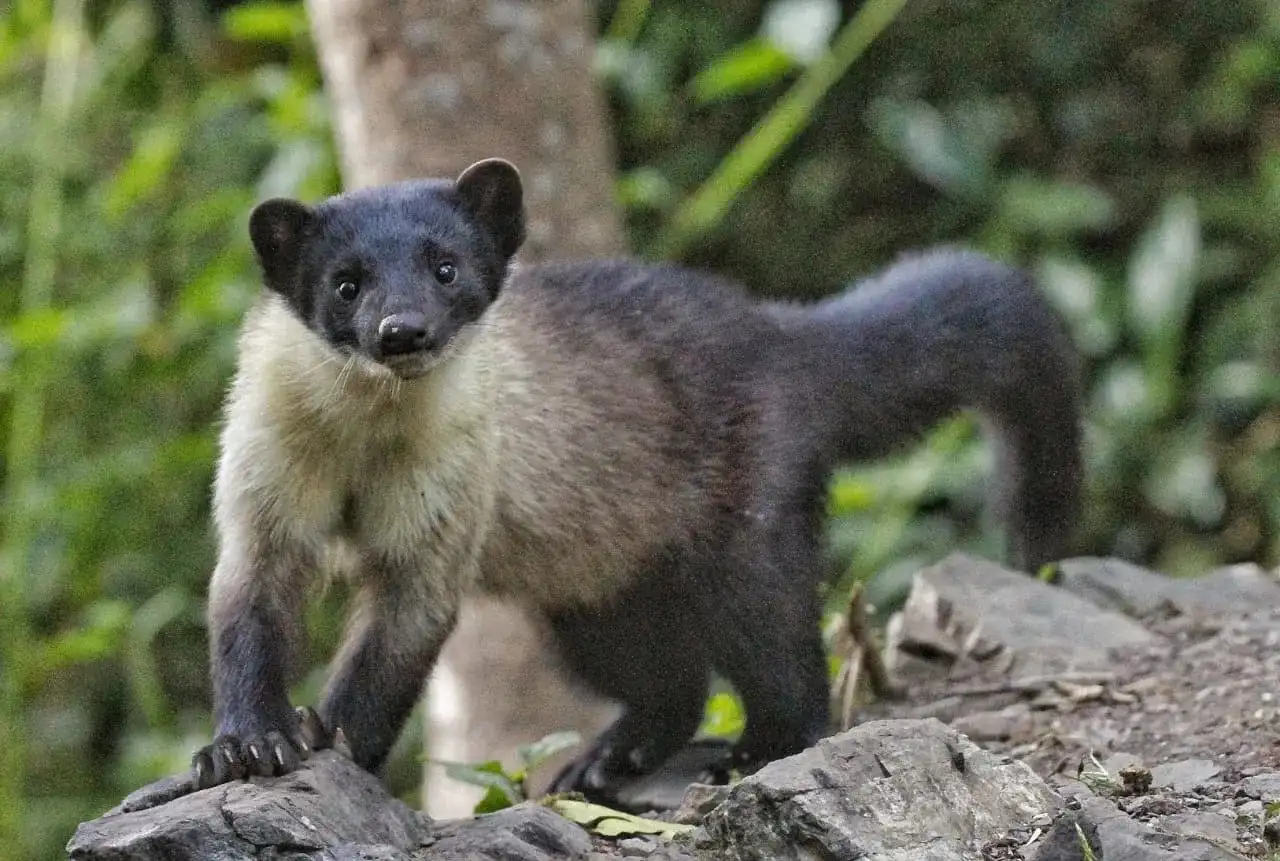
The Yellow-throated Marten is a fast, agile carnivore known for its striking golden throat and long bushy tail. It is active during the day and moves quickly through trees and rocky ground. An opportunistic feeder, it hunts small mammals, birds, insects, and also eats fruits.

Listed as Endangered since 2008. Only about 10,000 Red Pandas remain in the wild across the Eastern Himalayas and SW China. The last census in Singalila recorded 27 individuals. Dense bamboo forests, 2400–3900m elevation, cool temperate climate — Singalila provides ideal habitat. Our lodge sits within prime Red Panda territory.
Real sightings, real moments — From forest trails to mountain peaks, these are authentic birding moments experienced by our guests.
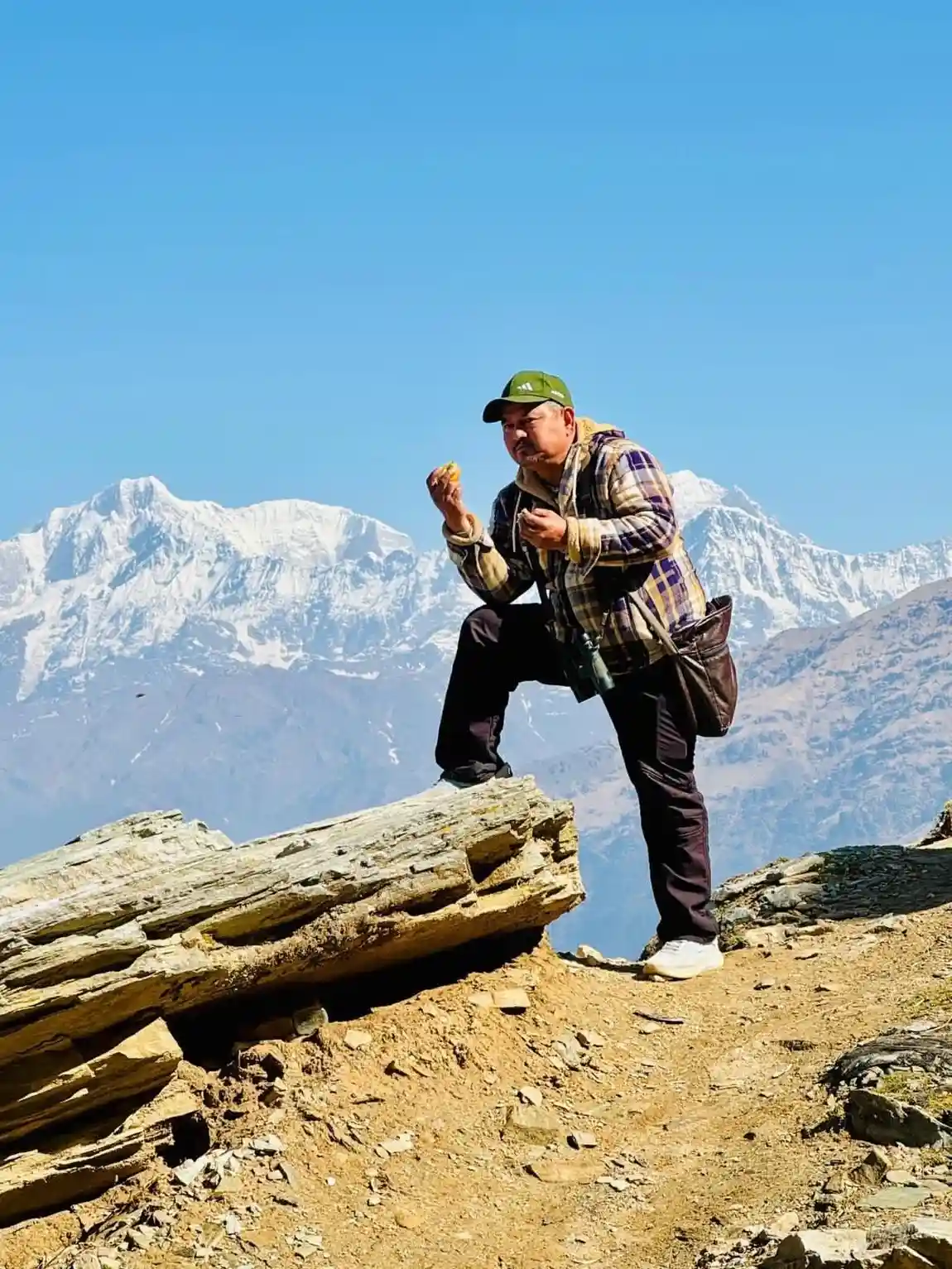
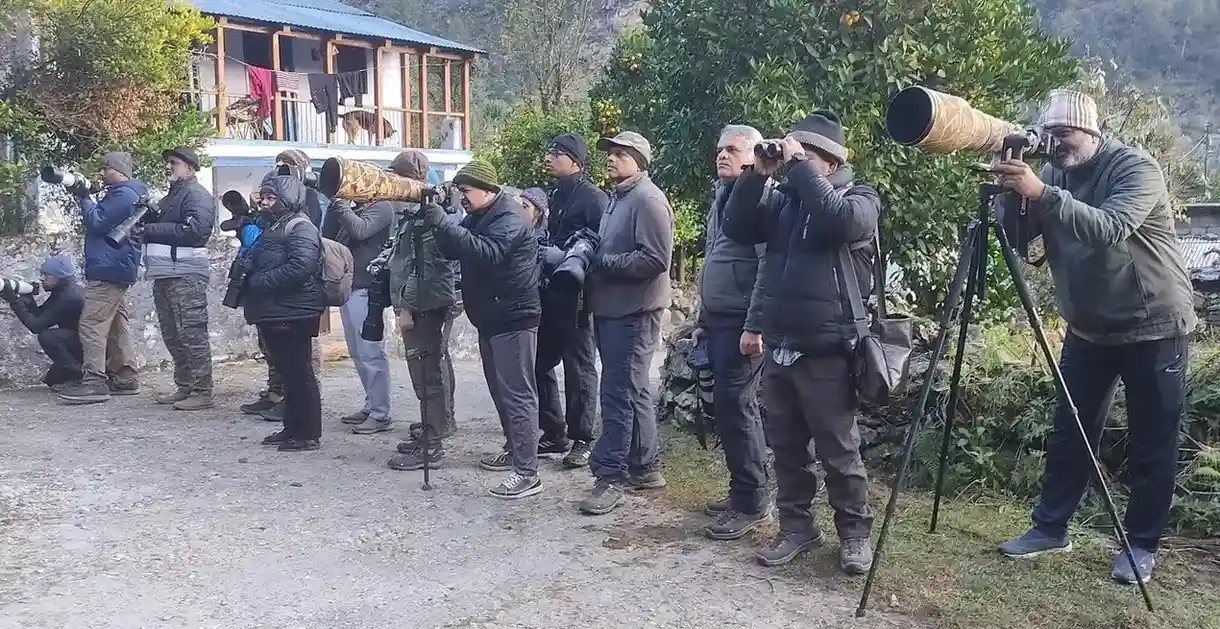
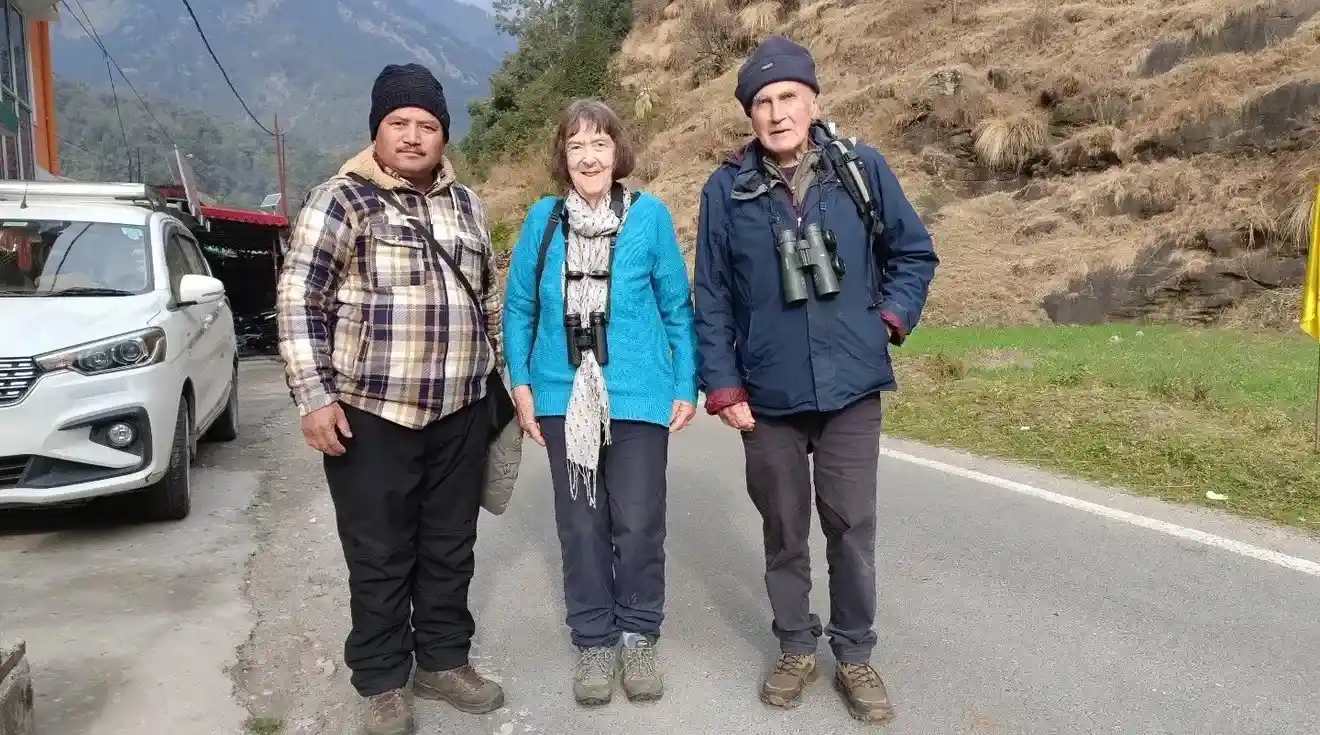
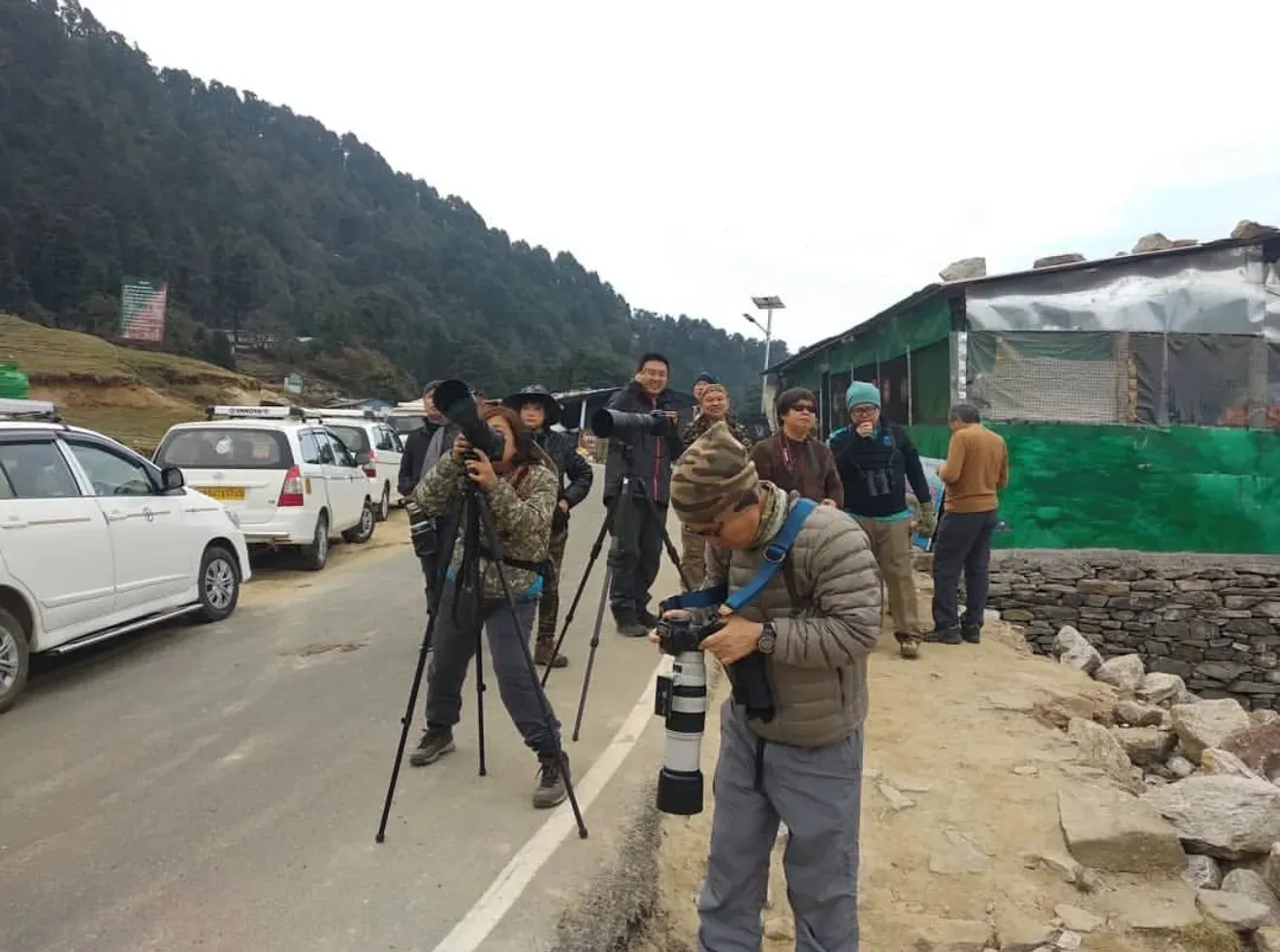
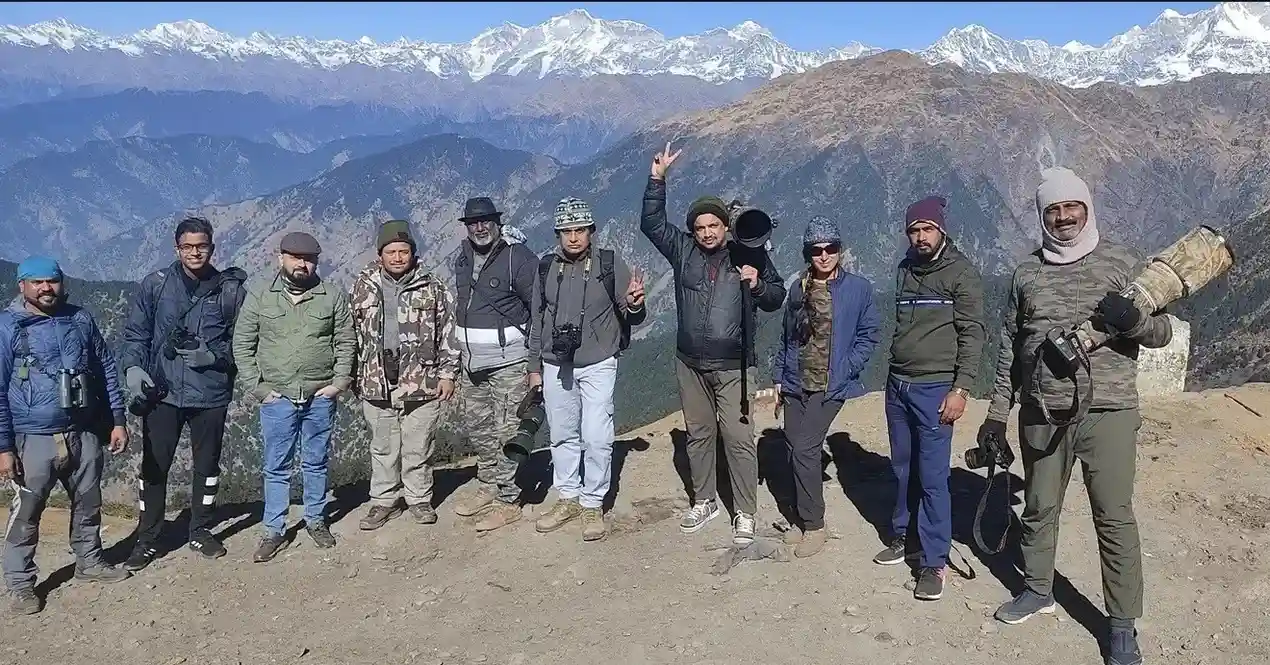
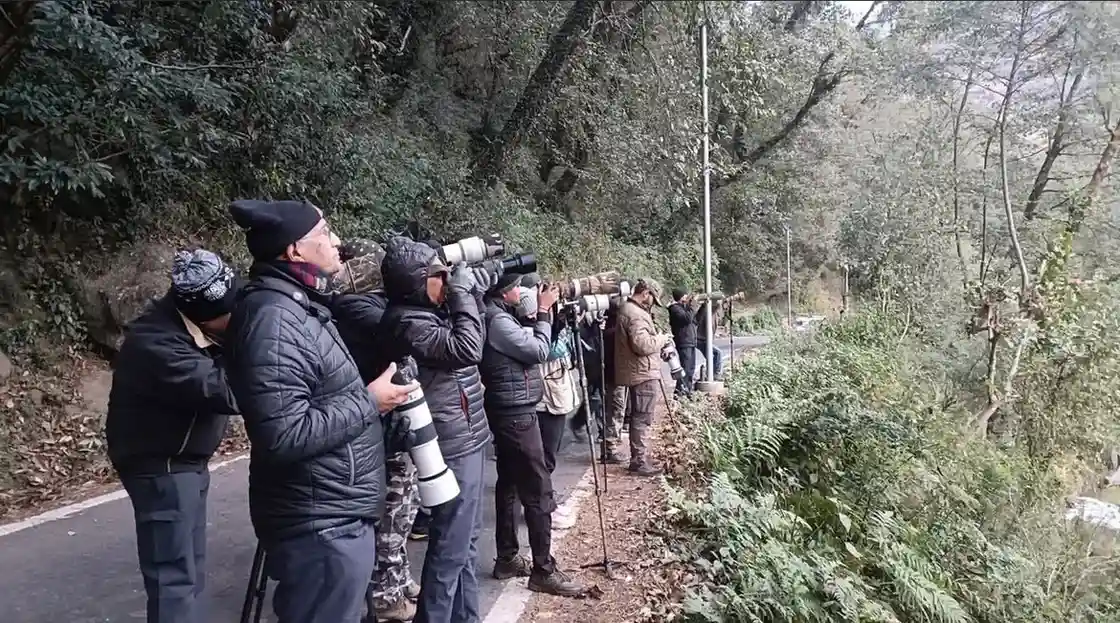
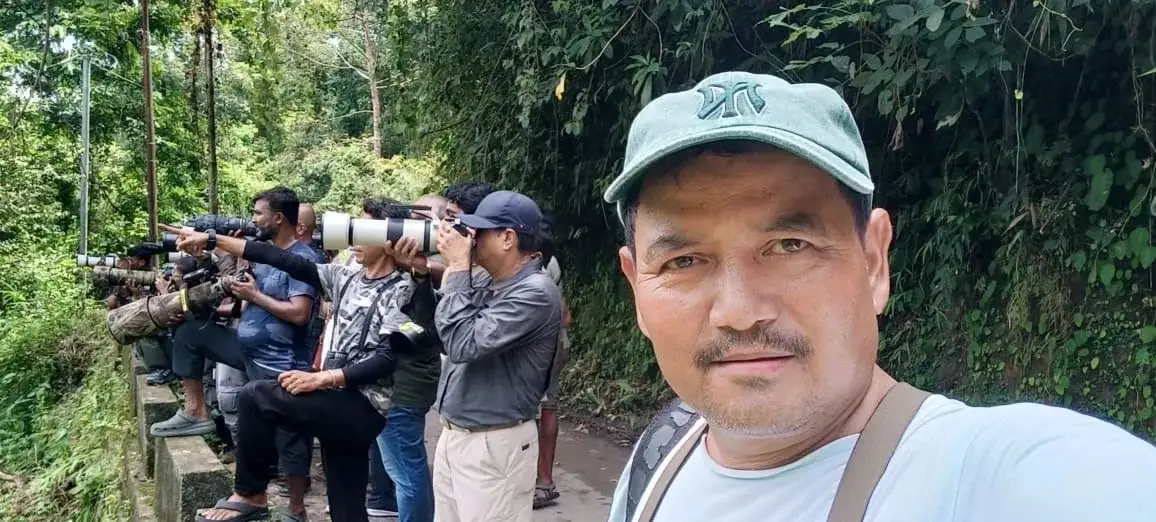
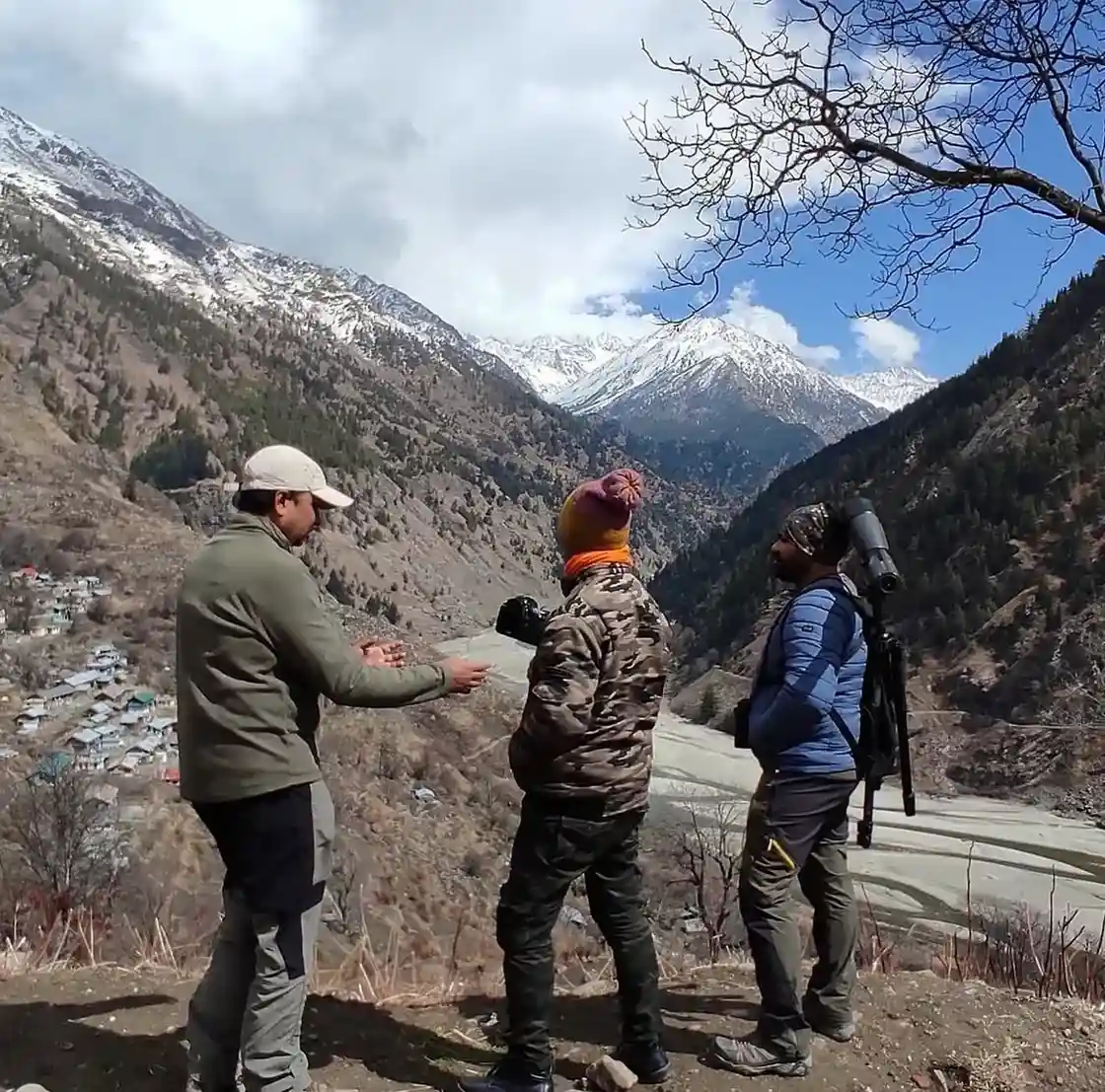
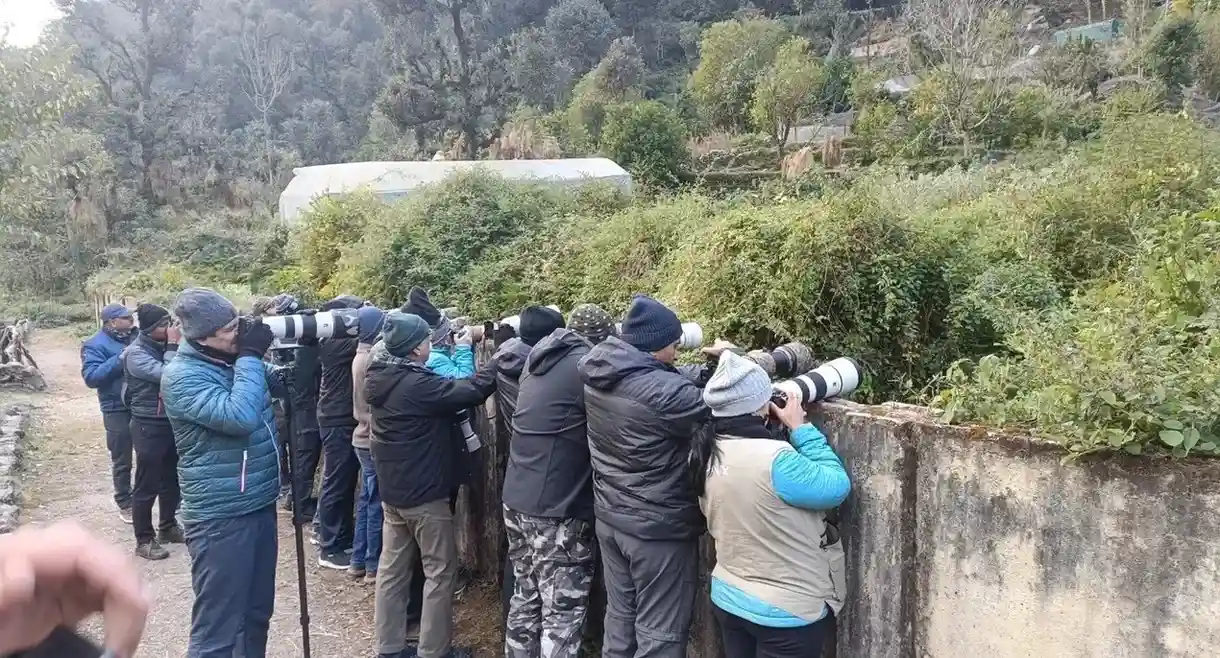
📸 Share your photos with us after your visit — your moments may be featured here!
Plan Your VisitPerched at 2660m on the edge of Singalila National Park, our lodge sits where the forest meets the sky. Step outside at dawn and the Kanchenjunga massif fills the horizon. Rhododendron and oak close in on every side, Red Pandas move through the canopy above, and the only sounds are birdsong and wind. Warm rooms, home-cooked Himalayan meals, and reliable electricity with solar backup .
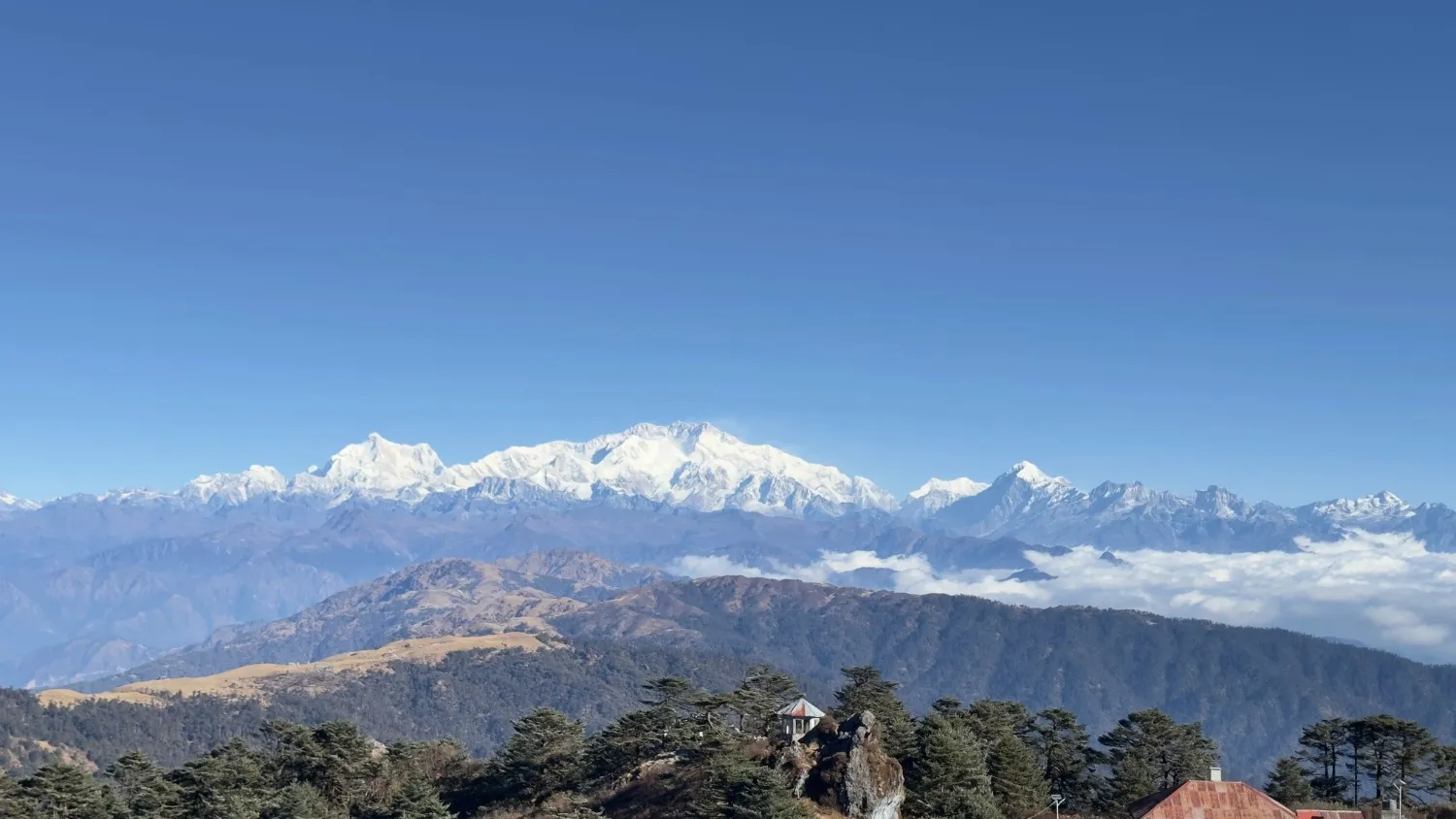
Cinematic Himalayan ridge views
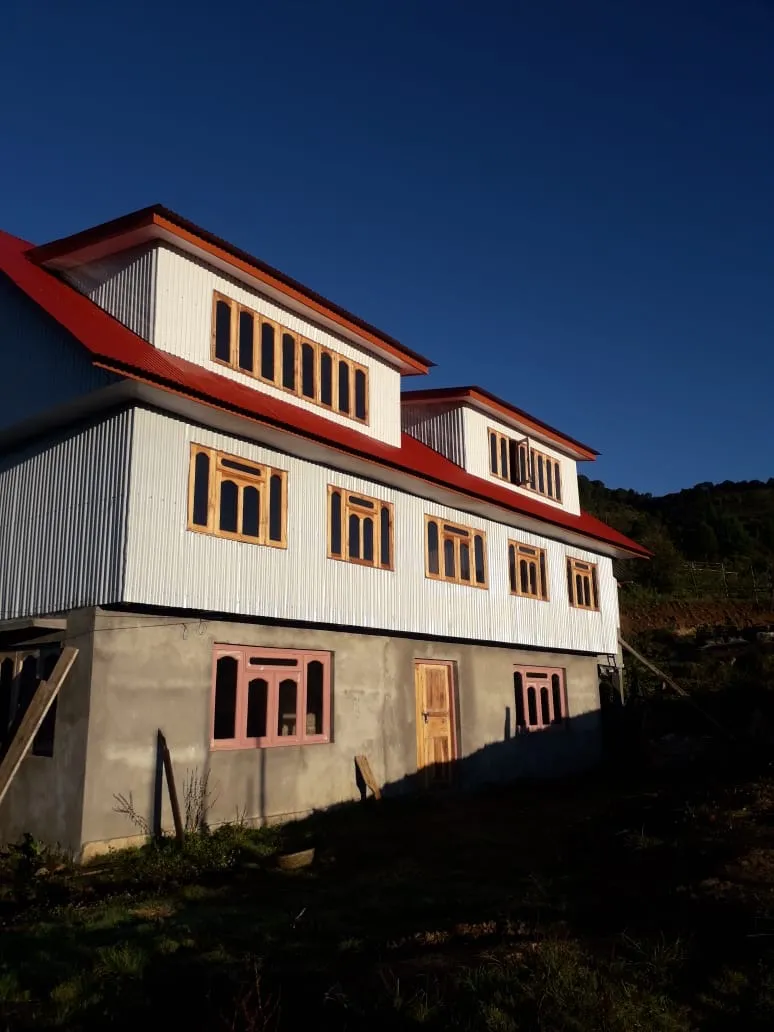
Perched on the Singalila ridge
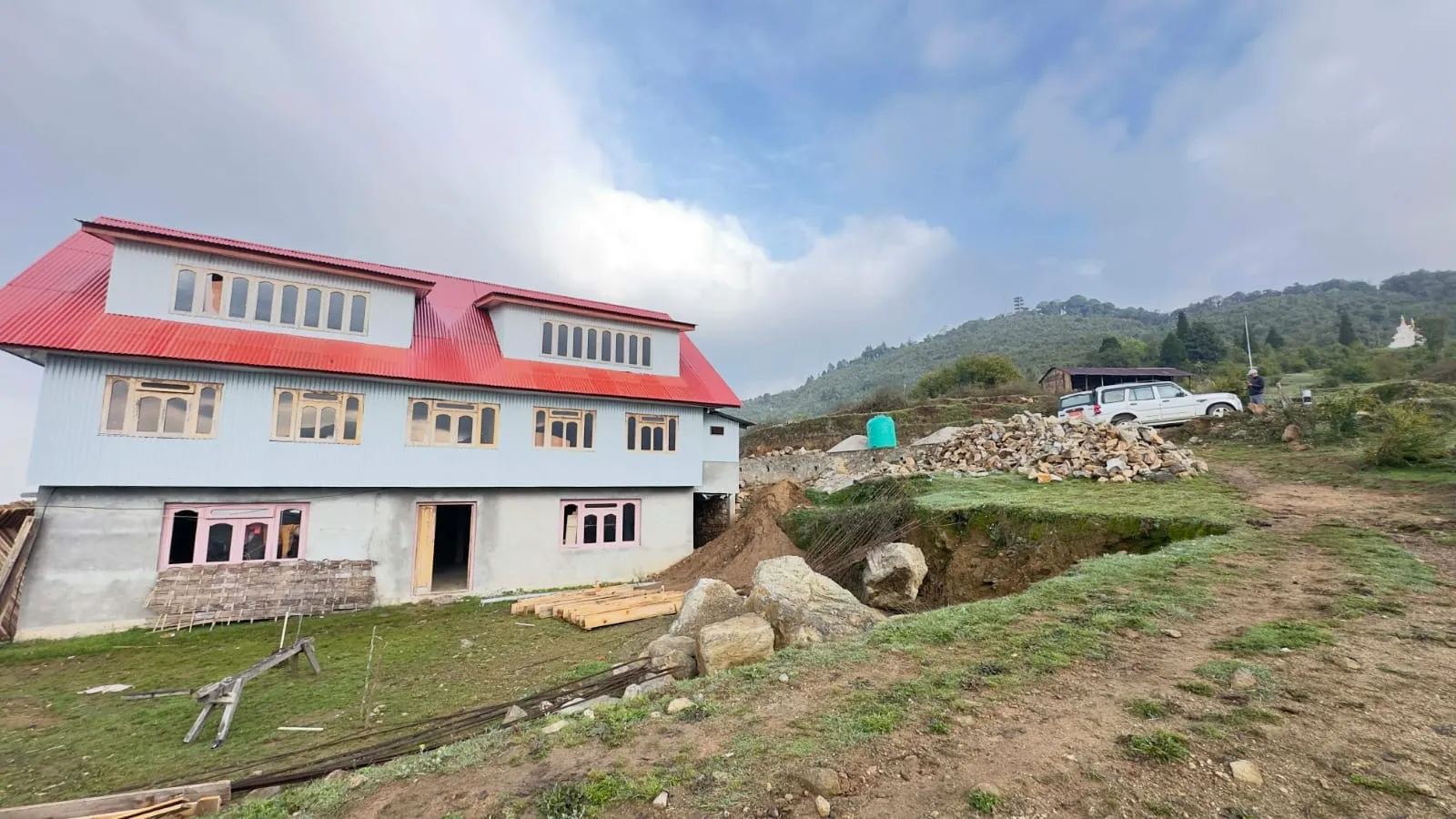
Evening light on the lodge
Elevation ~2660m · Singalila National Park
Arrive one day early and check-in at a hotel near Bagdogra Airport. We recommend this to ensure an early start the next day. Contact us for hotel suggestions or help with booking.
Early morning pick-up from Bagdogra / Siliguri. Drive ~170 km (~8 hours) to Sandakphu inside Singalila National Park. Accommodation at Sherpa Homestay, a basic facility with limited electricity. Charge camera batteries and power banks before arrival.
Early morning treks each day into the forests with experienced local Red Panda trackers. Accompanied by up to 5 local guides to maximize sighting chances. Stay continues at Sherpa Homestay, experiencing authentic mountain hospitality and supporting local conservation.
Early morning birding walks with expert local bird watchers. Visit little-known birding hotspots including wetlands, water holes, creeks, and forest trails. The area hosts over 200 bird species. Rare high-altitude birds and mammals may also be spotted.
Depart early for Bagdogra. Approx 8 hours scenic drive down the hills. Recommended to book late evening or next-day flight for a relaxed return.
Mixed elevation journey from 200m subtropical jungle to 3500m Himalayan ridgeline — one expedition, three completely different wild worlds.
We will welcome you and arrange for a comfortable transfer to your accommodation when you arrive at Tribhuvan International Airport in Kathmandu. You have the rest of the day to relax.
After your trip, we advise taking some time to unwind, freshen up, and acclimate. You can have a welcome dinner in the evening, which will give you a taste of Nepali hospitality and an overview of the exciting days that lie ahead.
Your cultural exploration starts at 9:00 AM after breakfast. You will explore the core of Nepal's artistic and spiritual legacy today.
Bhaktapur, a city that serves as a living museum, should be your first destination. You'll enter Durbar Square, a masterpiece of Newari architecture and art recognized by UNESCO. The elaborate intricacies of the 55 Window Palace, the beautiful Golden Gate, and the imposing Nyatapola Temple — a monument to the city's ancient engineering — will be shown to you by your guide.
You will stroll through Taumadhi Square and Pottery Square, where you will see craftspeople carrying on centuries-old craft customs. You will have the chance to enjoy regional specialties, such as the well-known Juju Dhau (King of Yogurt) and traditional Newari snacks like Chatamari and Samay Baji.
You will visit another UNESCO World Heritage Site, Pashupatinath Temple, after lunch. Its golden-roofed pagodas and the holy Bagmati River create a profoundly mystical setting. It is one of the holiest temples in Hinduism, devoted to Lord Shiva. Here, pilgrims from all over the subcontinent offer prayers. On the other side of the river, you may watch the age-old cremation rites, which serve as a potent reminder of the cycle of life and death.
Visit the ancient seat of royalty, Hanuman Dhoka Durbar Square, to cap off your day. Discover the artistic legacy of the Malla people amid the complex of palaces, courtyards, and the famous Basantapur Durbar. You'll discover the creative heritage of the Shah and Malla kingdoms and witness the continuous repair work that keeps this timeless representation of Nepal intact.
Following an early breakfast, we set off on a picturesque five-hour trip south into Chitwan National Park (CNP), which is located in the subtropical lowlands of the Terai. You will check into your eco-friendly jungle resort or riverfront lodge when you arrive.
You can experience the region's avian richness for the first time in the afternoon. You will tour the village area and the boundaries of the CNP, where the various ecosystems of riverine forests and agricultural fields are bursting with life, with the assistance of an informed local birding expert. You can see locals like the endangered Lesser Adjutant Stork or the Great Hornbill on this introductory tour.
As night falls, you'll enjoy a hearty local dinner, followed by a cultural performance by the indigenous Tharu community, offering insight into their rich traditions and harmonious coexistence with the natural world.
Start your day early with a cup of tea or coffee before travelling through the central region of Chitwan National Park (CNP) in a jeep. Under the guidance of a skilled naturalist, you will explore the dense grasslands and lush woods of the CNP during peak wildlife activity.
This is your finest chance to meet the famous citizens of CNP. One-Horned Rhinoceroses, Asian Elephants, Sloth Bears, Gharial and Mugger Crocodiles, Leopards, and a variety of deer species are frequently spotted, but you'll also need to keep an eye out for the CNP's more than 500 bird species that appear in the morning. The ultimate prize is the elusive Bengal Tiger, and your guide will employ professional tracking techniques to increase your chances.
Go back to the lodge to unwind and think back on your morning experiences. Savor a leisurely lunch in the peaceful riverfront environment, followed by a swim or a nap. A traditional Tharu cultural show, which conveys the traditions of this indigenous community through colorful dance and music, will be presented to you in the evening.
After breakfast, you will tour Batuli Lake, Bish Hazari Tal (Twenty Thousand Lakes), and other lakes — a tranquil wetland complex that serves as a refuge for wetland birds. You will be able to observe a stunning variety of creatures up close as you explore this peaceful ecosystem on foot or by canoe. Keep an eye out for rare birds like the magnificent Grey-headed Fish Eagle, Kingfishers, and Great Hornbills that patrol the waters in quest of prey.
Your exploration continues with an afternoon Jeep safari into the Kumroj Community Forest, a community-managed area adjacent to Chitwan National Park. This area is renowned for its high wildlife density, offering another excellent chance to see One-Horned Rhinoceros, Wild Elephants, and grassland special birds. The contrast between the morning serene lakeside birding and the afternoon adventurous game drive provides a complete picture of the region's ecological richness.
Return to your accommodation for your final overnight stay in Chitwan, surrounded by the sounds of forest.
Our day starts early in the morning as you leave Chitwan and head east for the expansive floodplains of Koshi Tappu Wildlife Reserve. The trip takes about eight to nine hours.
After arriving, guests will settle into your cozy riverfront lodging, which is well located for taking in the famous sunsets over the Koshi River. After settling in, visitors can take a leisurely stroll along the riverbanks to get a sense of the tranquil surroundings and possibly see ducks and waders arriving early.
The guide will give you an overview of the fascinating wildlife and bird watching opportunities in the evening.
Starting with an early morning boat ride on the Koshi River as the mist rises off the river, today is devoted to a full day of immersive exploration within Koshi Tappu Wildlife Reserve. There are many different kinds of ducks, geese, storks, ibises, and the elusive Swamp Francolin that can be seen from the boat. Smooth-coated Otters and the famous wild water buffalo known locally as Arna may also be spotted along the river banks.
Following breakfast, visitors will go on a jeep safari through the reserve's varied habitats, including grasslands, marshes, and riverine woods, where they may look for species including Hog Deer, Spotted Deer, and the elusive Fishing Cat.
The Koshi Barrage, a man-made structure that provides a great viewpoint for seeing both resident and migratory bird species, and the nearby village areas can be explored in the afternoon.
After an early breakfast, say goodbye to Koshi Tappu and start our picturesque drive towards the eastern hills. The trip takes around seven hours and climbs into the Ilam district's verdant surroundings.
As you travel through undulating hills dotted with well-kept tea plantations, including the well-known Kanyam and Fikkal estates, you may stop to appreciate the emerald-green terraces and take breathtaking pictures. The trip is a visual feast.
We will travel through quaint villages, traverse foggy valleys, and observe the everyday activities of the region's many ethnic groups, including the Sherpa, Rai, Limbu, and Lepcha peoples. The air gets crisp and chilly as you ascend, and the northern horizon may show the first views of the Himalayan range, which includes Mount Kanchenjunga, the third-highest mountain in the world.
Before sunrise, you go out on your first full day in the Sandakpur region, exploring the temperate broadleaf and coniferous woods that serve as home for the region's most renowned resident — the Red Panda.
Together with a seasoned local tracker who is well-versed in the forest and Red Panda habits, you will stealthily follow both well-travelled and less-travelled routes while keeping an eye out for any indications of this elusive animal in the bamboo thickets and treetops.
To improve your chances of seeing a Red Panda, a guide will interpret tiny indications like fresh scat, scratch marks on trees, and bending bamboo stalks. Red Pandas are most active in the early morning and late afternoon.
Today, our attention goes beyond the Red Panda to include the other rare and reclusive mammals that live in the area, such as the Marbled Cat and Clouded Leopard, both of which are rarely spotted but occasionally leave traces of their presence.
Our professional tracker will direct you to locations where you are more likely to come across these elusive felids, such as steep forested hills and densely covered areas where Clouded Leopards are known to sleep during the day. The search itself takes you through some of the most pristine and bird-rich forests in eastern Nepal.
With over 250 known bird species found at Sandakpur and the surrounding hills, bird aficionados will be especially thrilled. The day will be organized according to the forest cycles, with lunch at the lodge set off for relaxation and introspection, and early morning and late afternoon devoted to active tracking.
You will get the chance to enjoy the breathtaking mountain scenery in between wildlife hunts, with clear days providing unhindered views of the Kanchenjunga massif.
With an emphasis on maximizing both mammal and bird sightings, your last full day in the Sandakpur region enables you to explore prospective areas for any species you may not have yet observed. With the help of our tracker, who modifies the day plan depending on current observations and patterns of wildlife activity, you may decide to explore a new trail system or elevation zone.
Bird enthusiasts can add to their remarkable species list on this day — the stunning Nuthatch, the Rufous-necked Hornbill, and many species of laughing thrushes, forktails, and flycatchers that live in the area's virgin woodlands await.
Between wildlife excursions, you can take in the tranquil atmosphere of the lodge, talk with local naturalists about conservation initiatives in the area, and maybe visit a nearby village to discover the customs of the indigenous people who have lived in this forest for generations.
You will get together for a farewell meal at the lodge as night falls, honouring the amazing animal sightings and unforgettable moments of our visit.
After a final breakfast in the hills, you will begin your scenic descent towards Bhadrapur — a drive of approximately five hours that takes you back through the lush tea gardens and terraced landscapes of Eastern Nepal. The journey offers a last opportunity to appreciate the beauty of the region, with rolling hills, rushing rivers, and glimpses of rural life unfolding along the route.
Upon arrival in Bhadrapur, you will transfer to the domestic airport for your flight to Kathmandu, a two-hour journey that provides spectacular aerial views of Nepal's varied topography, from the flat Terai plains to the distant Himalayan peaks.
Your flight lands at Tribhuvan International Airport, where your representative will greet you and arrange transfer to your hotel in the capital. The remainder of the afternoon and evening is yours to enjoy at your leisure — perhaps to rest after the journey, explore the bustling streets of Thamel, or indulge in a final taste of authentic Nepali cuisine. You may also use this time for last-minute souvenir shopping or to reflect on the incredible wildlife, birding, and cultural experiences of our extended journey.
On the final day, you will enjoy a leisurely breakfast at the hotel before the scheduled transfer to Tribhuvan International Airport. Your representative will accompany you to ensure a smooth and stress-free departure, assisting with luggage and check-in procedures.
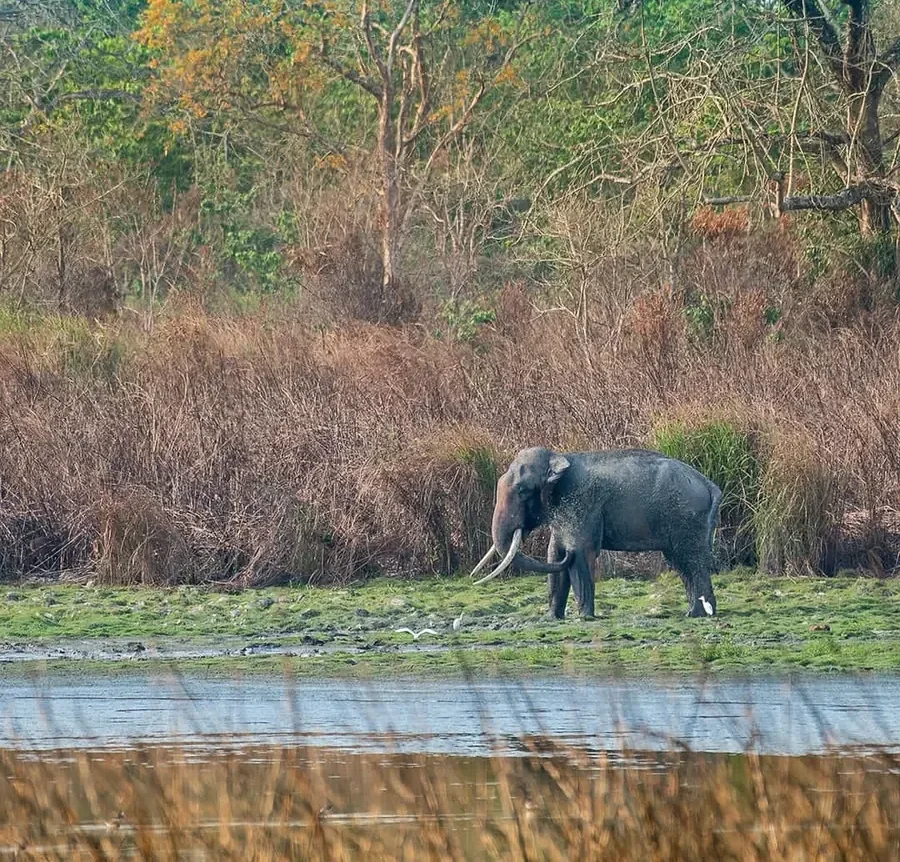
Wild tuskers roaming the riverine grasslands of Chitwan — one of the last strongholds of this magnificent species in South Asia.
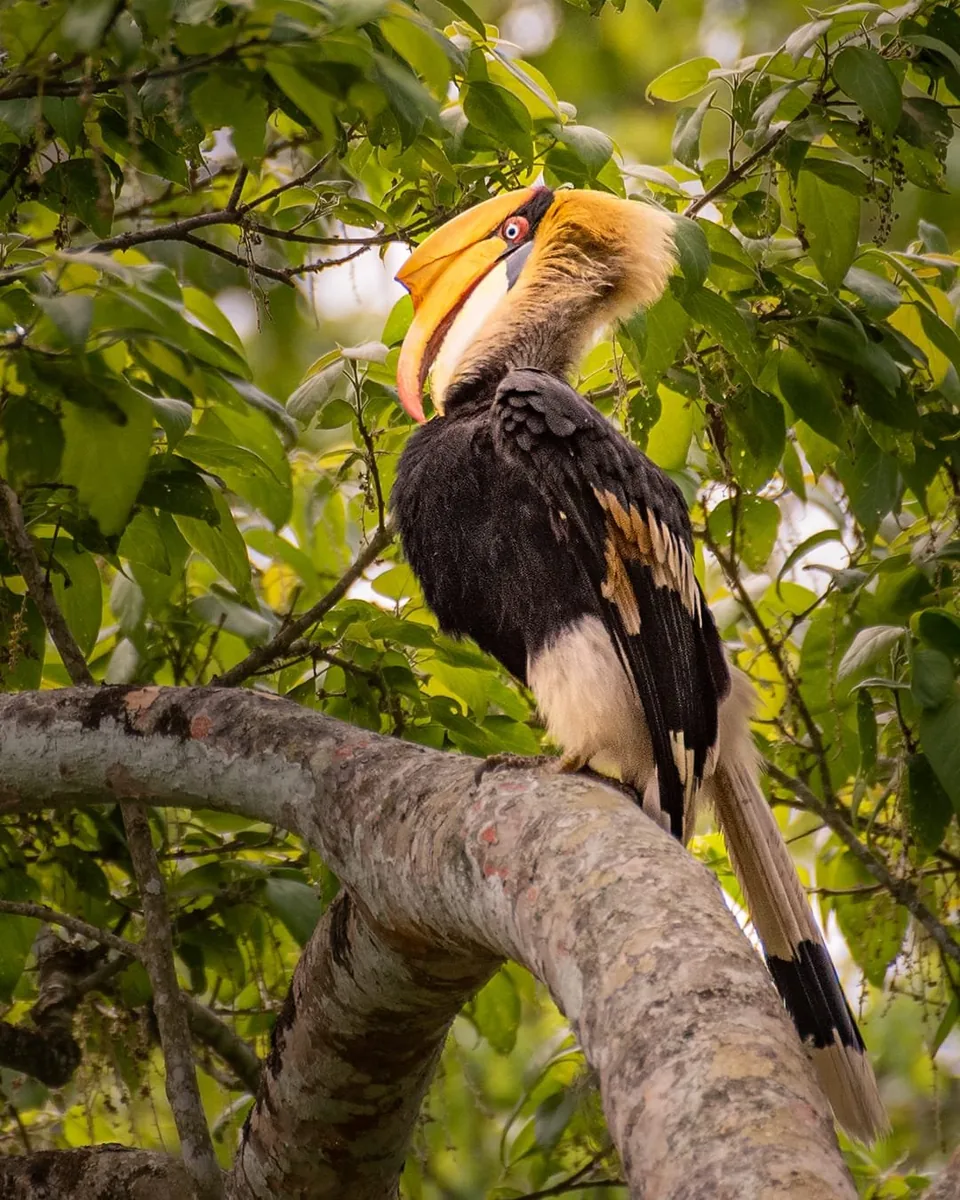
The crown jewel of Chitwan's canopy — its enormous casqued bill and resonant calls make every encounter unforgettable.
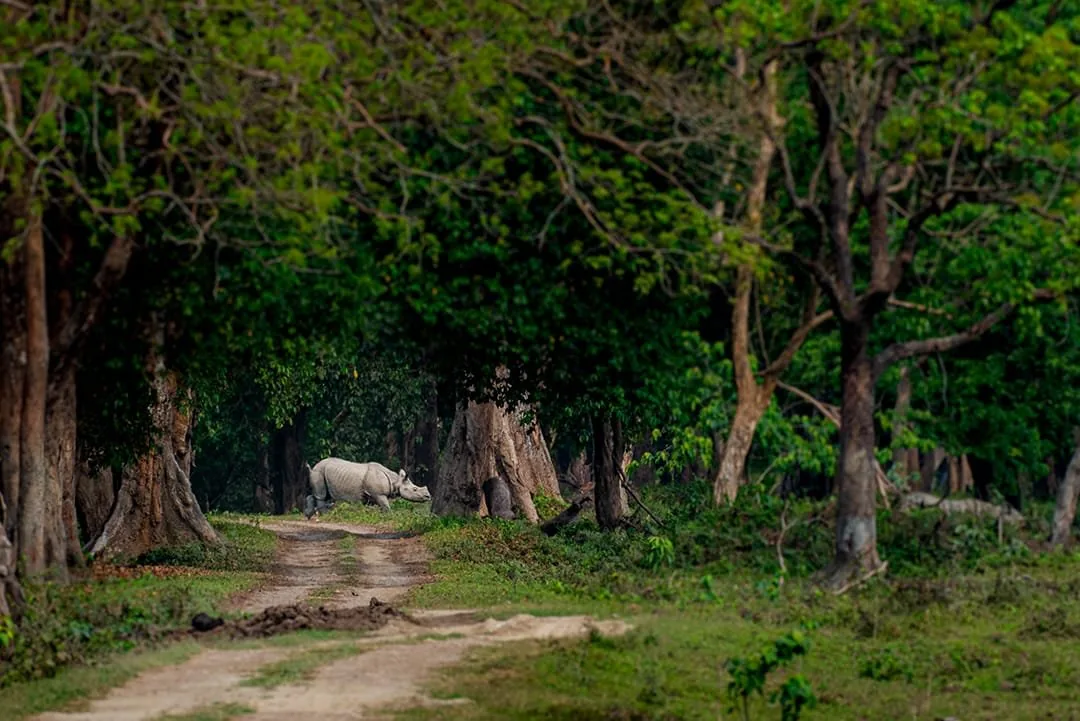
Chitwan harbours one of the world's largest populations of this armoured giant — a true conservation success story.
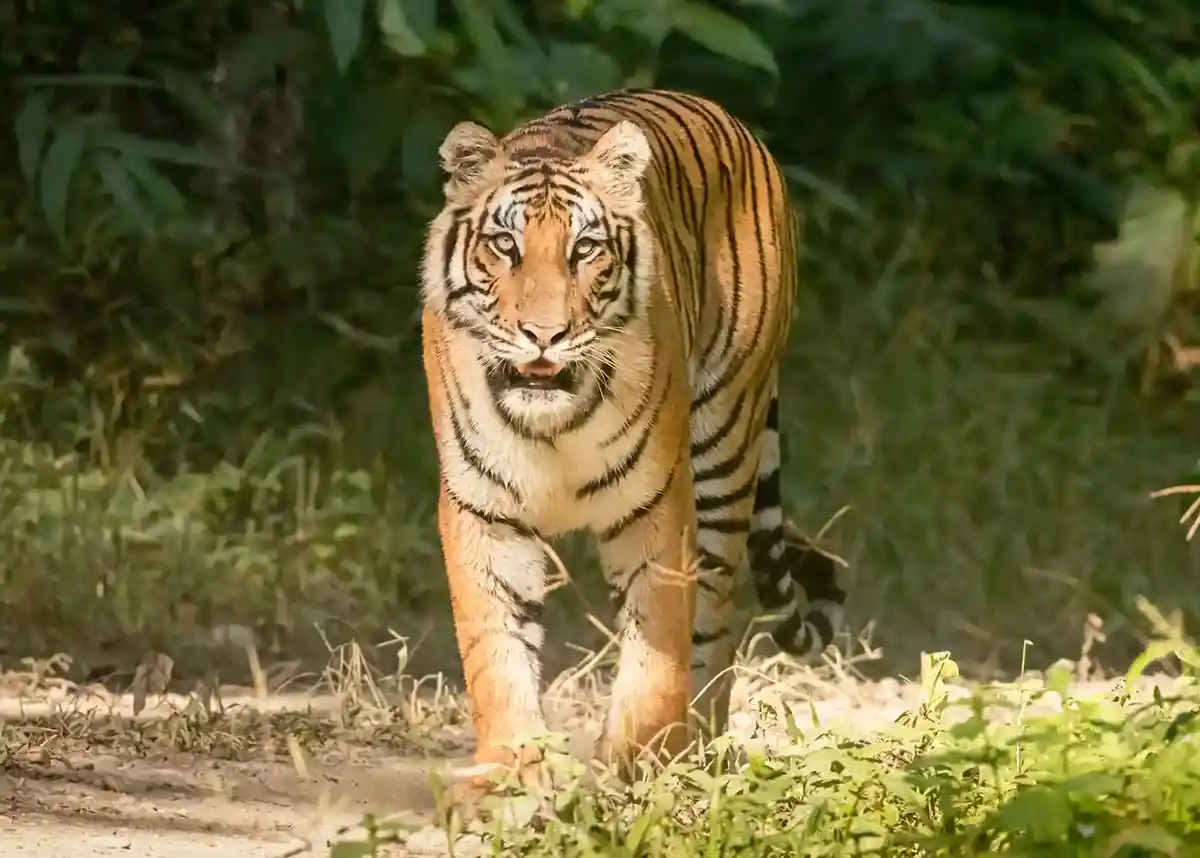
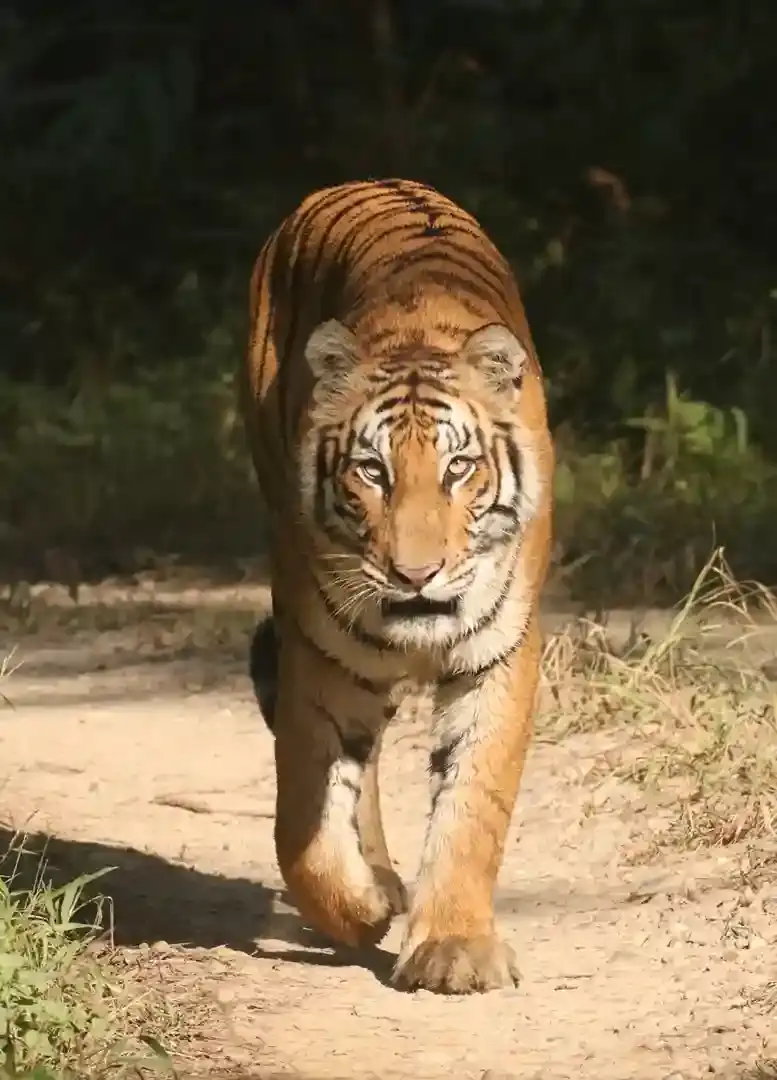
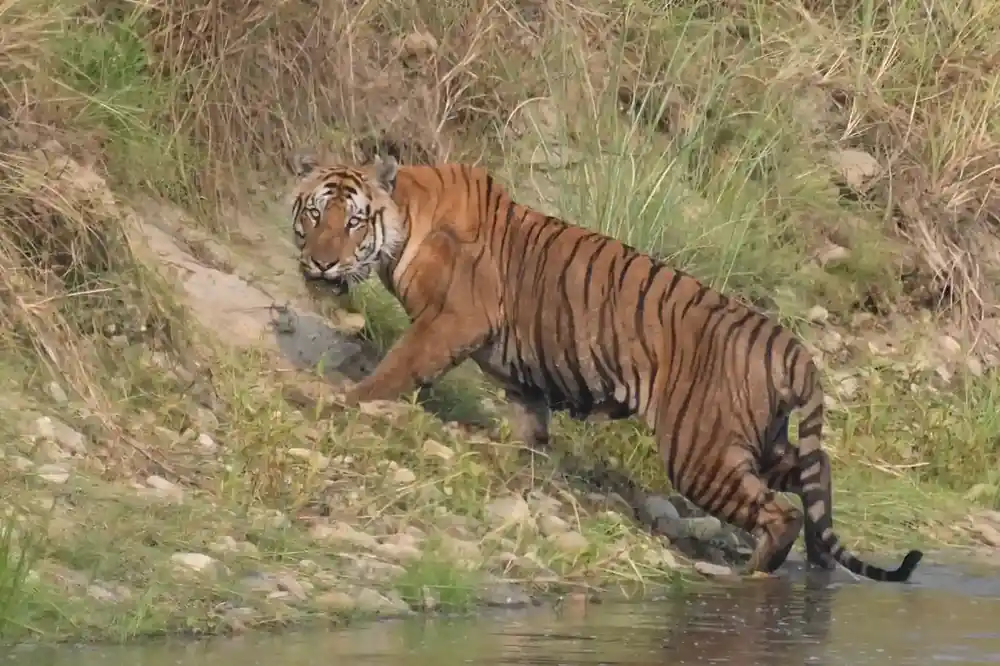
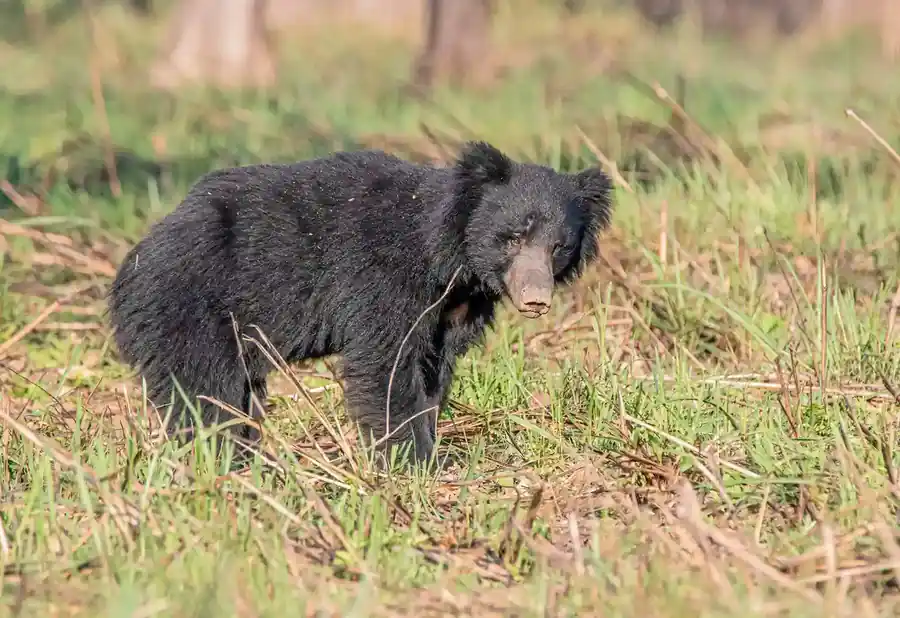
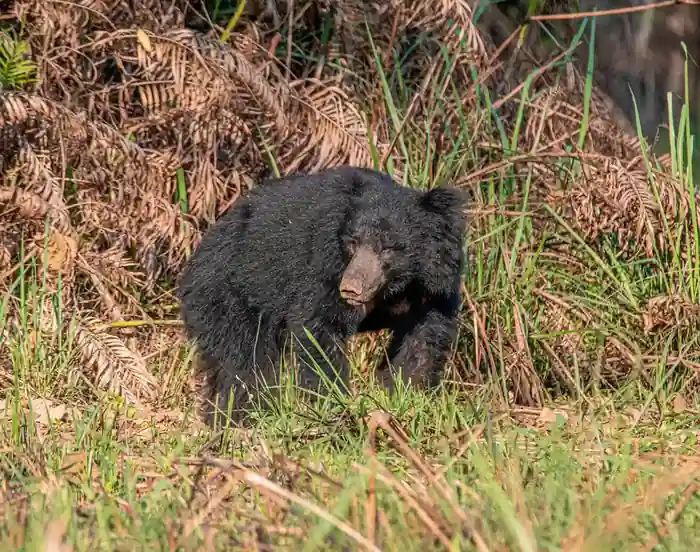
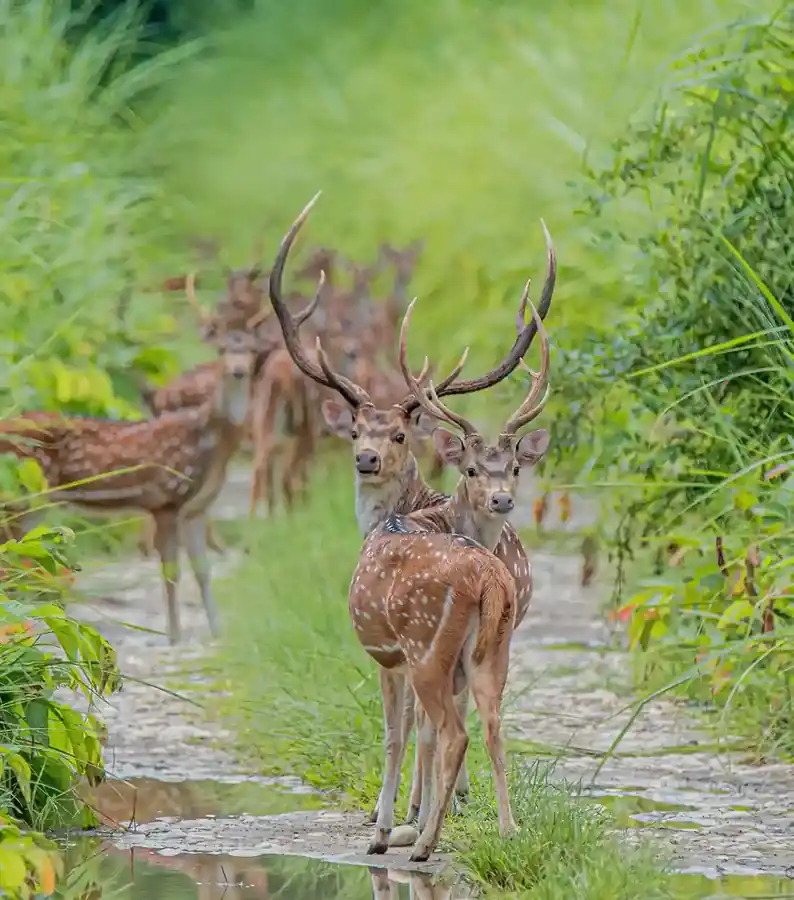
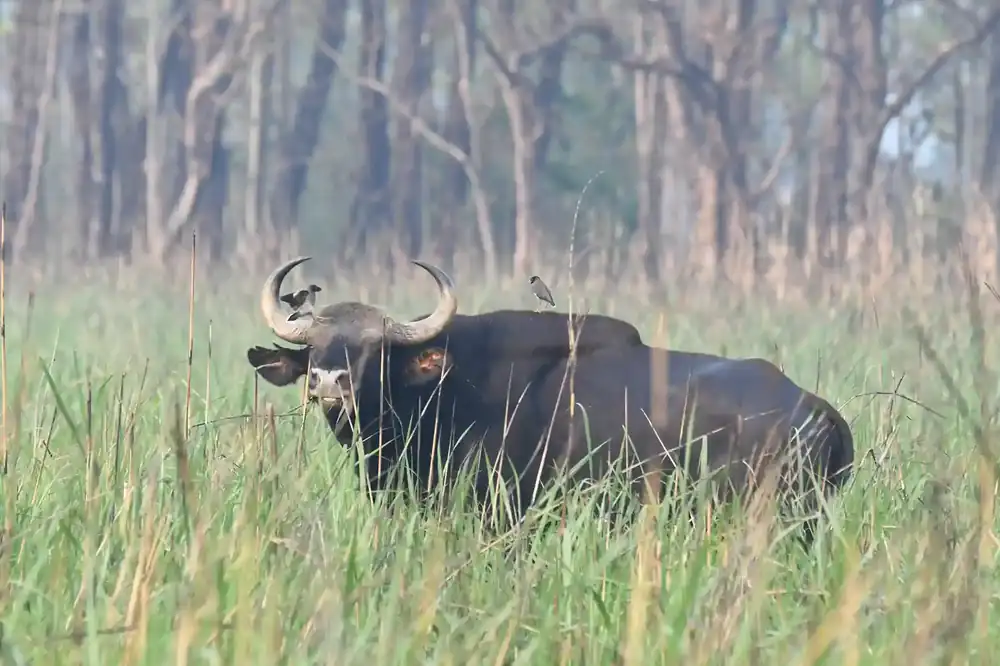
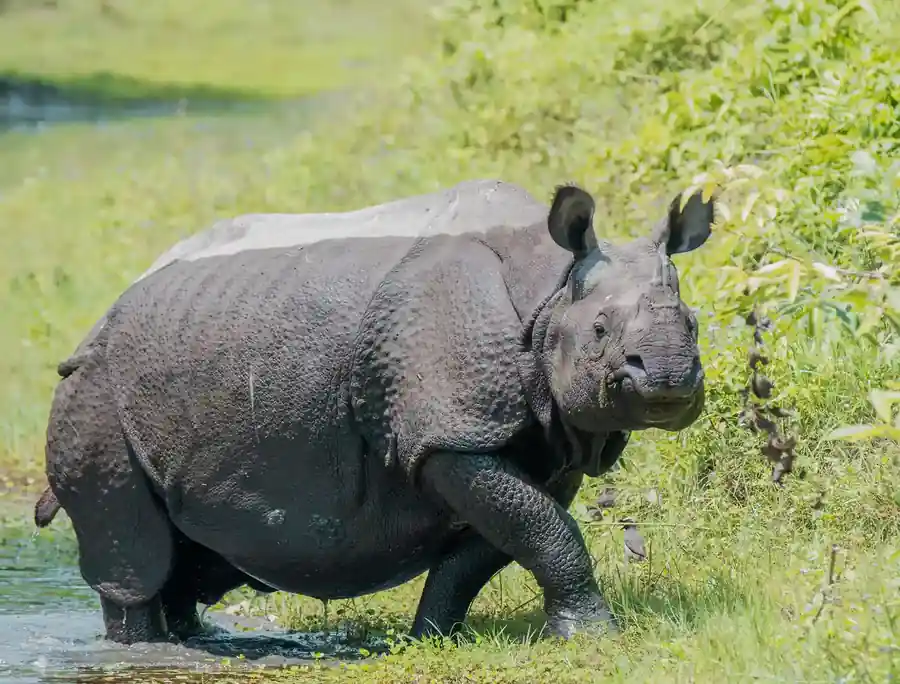
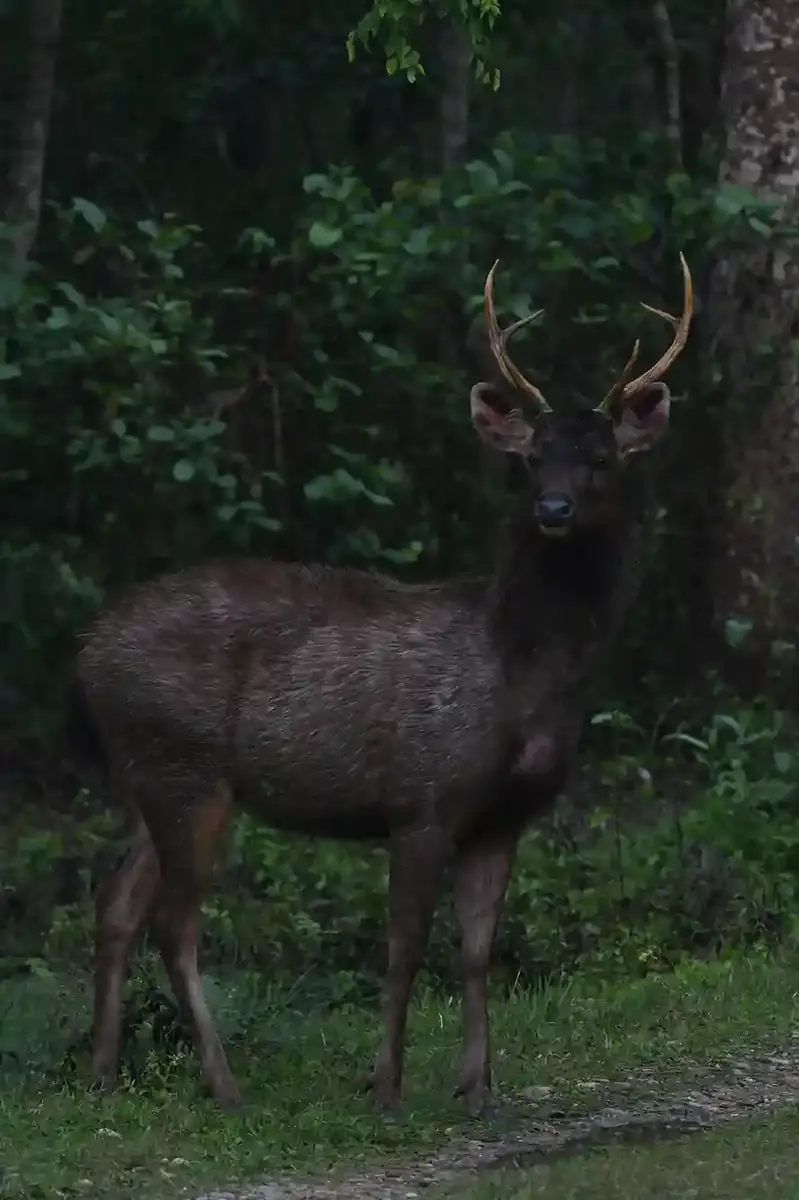
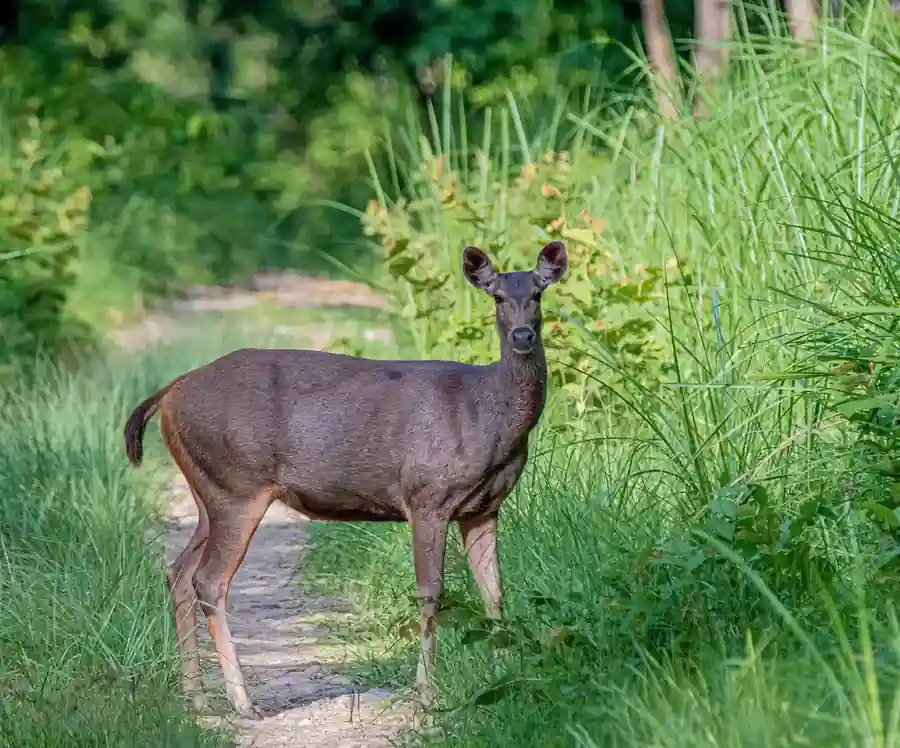
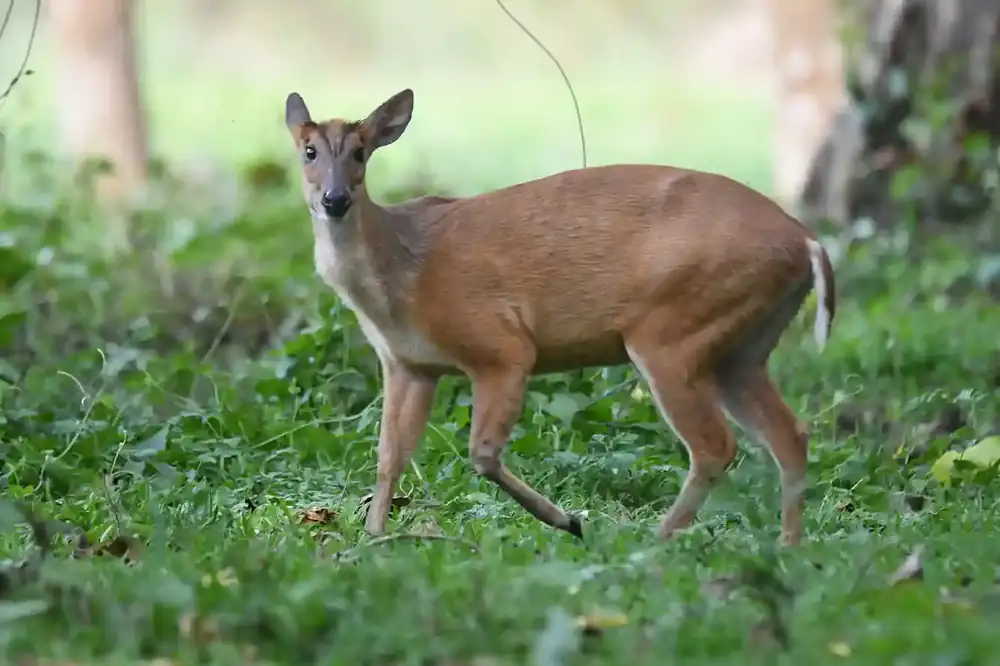
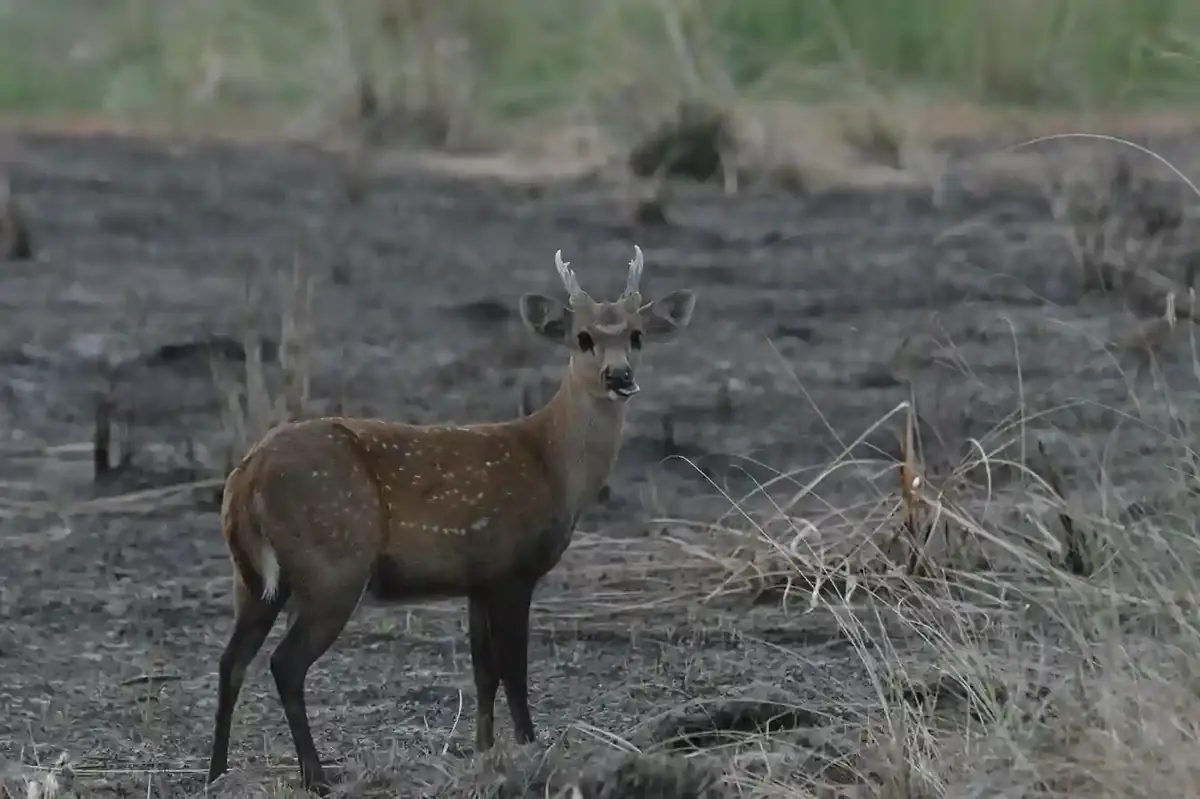
+ Red Panda · Clouded Leopard · Marbled Cat · Gharial · Mugger Crocodile · Smooth-coated Otter · 500+ Bird Species
Insulated rooms with thick bedding, designed for cold Himalayan nights.
Nutritious home-cooked Nepali and Indian meals to fuel your field days.
Mains grid electricity for lighting and device charging, with solar panels as backup to ensure uninterrupted power.
Dedicated naturalist guides with deep local knowledge for every outing.
Slow-paced, photographer-oriented scheduling with optimal light timing.
Spectacular views of the Kanchenjunga massif and Eastern Himalayan ranges.
Limited group sizes · Responsible wildlife tourism · A wilderness experience that stays with you forever
Plan your stay at Panda & Avifauna Explore Camp — perfect for birdwatchers, Red Panda seekers, and wildlife photographers. Share your dates and target species, and we'll help you plan the ideal Himalayan wildlife experience.